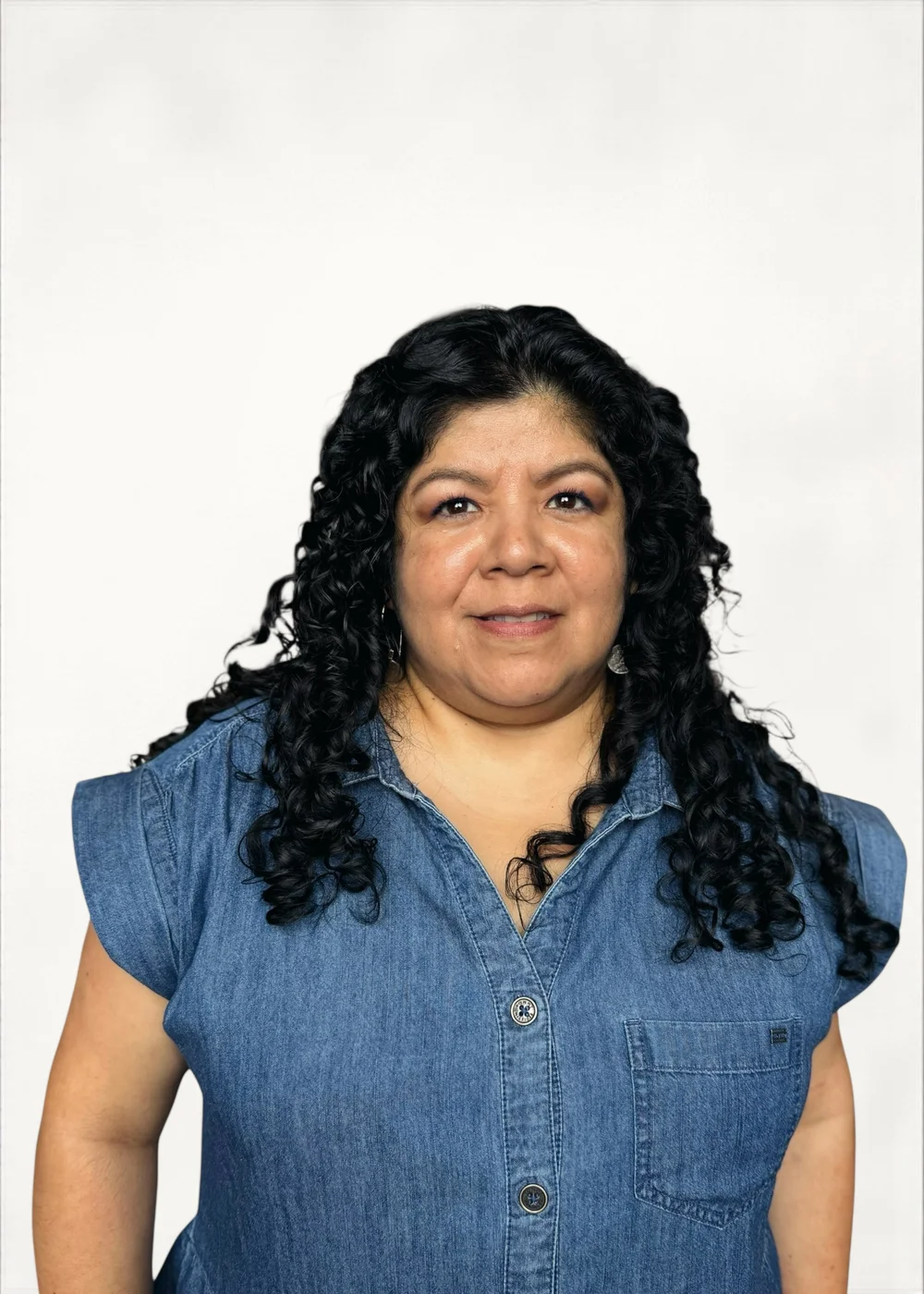
Lucia Alvarez
Kindergarten Teacher
Read bio+
Lucia teaches kindergarten, where early reading in Spanish and English takes hold through stories and hands-on projects.
Academics · Grades 1–3
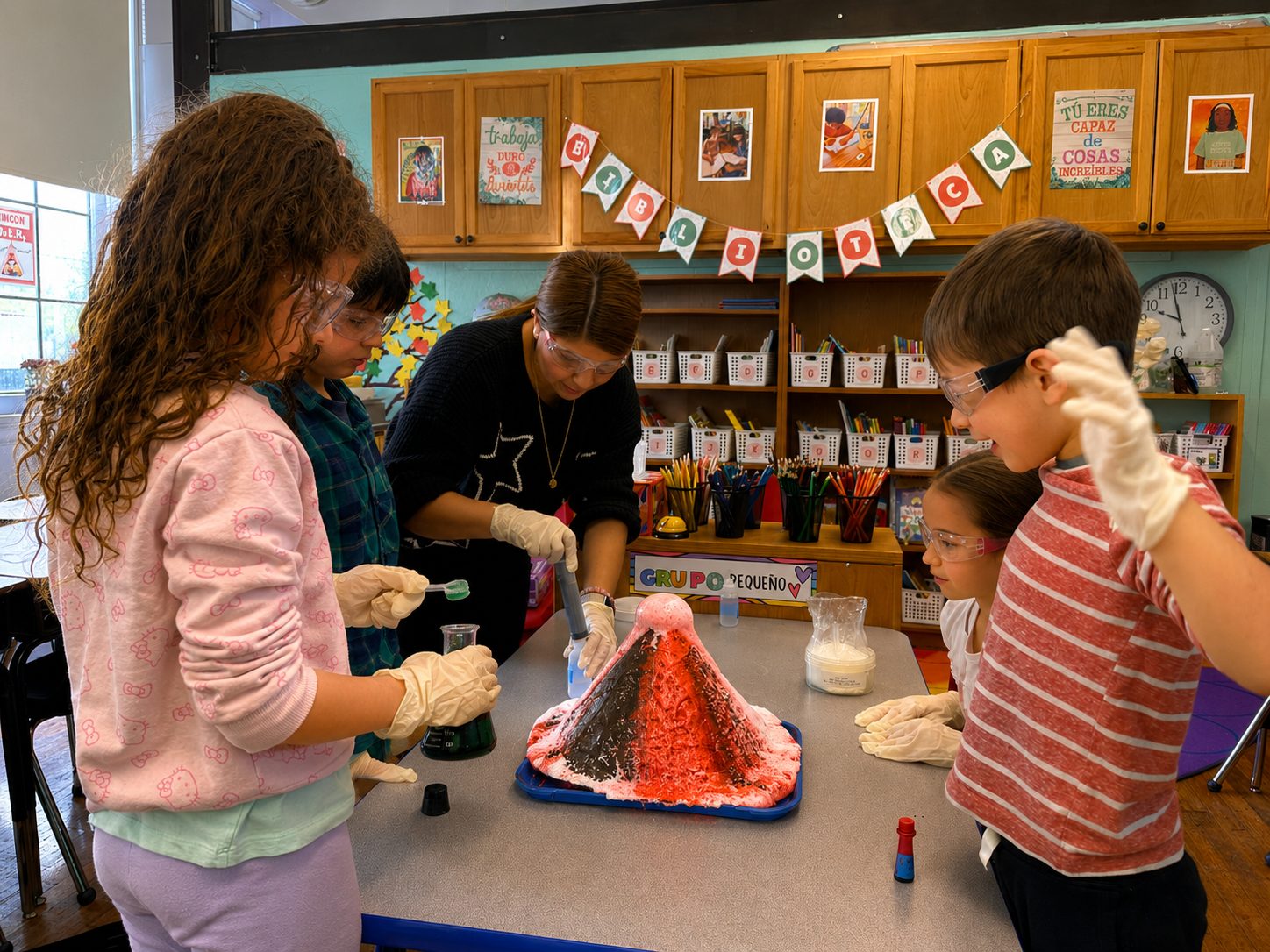
First through third grade is where Spanish literacy takes root and English grows alongside it. Strong readers, writers, and thinkers in two languages — grounded in inquiry, the arts, and the relationships that make a small school feel like home.
1st Grade
Phonics, decoding, and early fluency in Spanish. Children who have been listening and speaking now learn to read the language they already live in.
2nd Grade
The literacy handoff into English begins. Teachers watch for the moment Spanish decoding is ready to transfer, then build English reading on that foundation.
3rd Grade
Independent readers and writers in both languages, using Spanish and English across math, science, and social studies.
In Bright Minds, children build their foundational reading skills in Spanish, the language in which they've had the deepest immersion. Spanish is phonetically transparent, which makes early decoding faster and builds confidence. Those literacy skills transfer directly to English when it is layered in more formally.
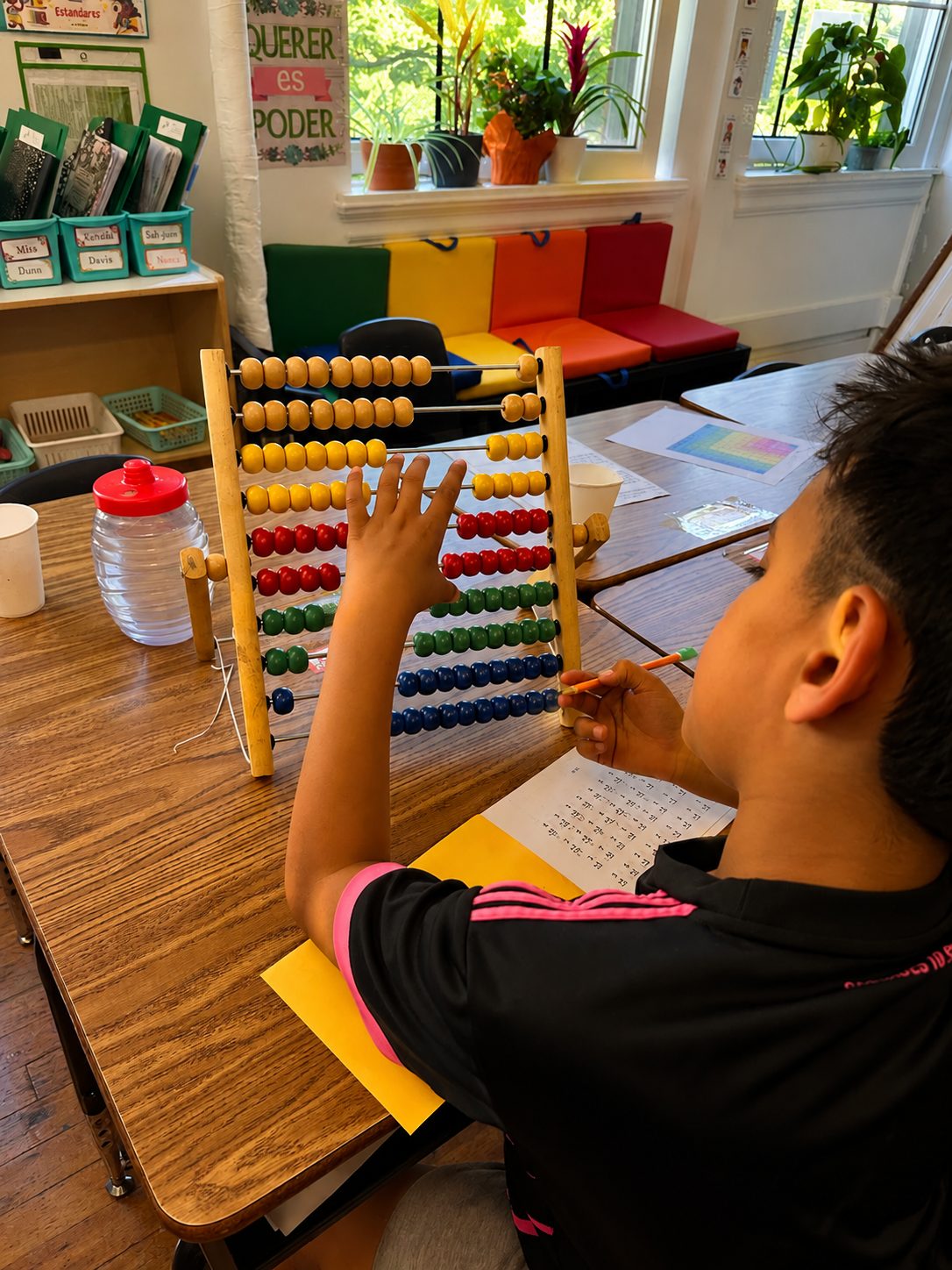
Math and science instruction continues primarily in Spanish during these grades, reinforcing academic vocabulary alongside literacy. Self-contained classrooms keep cohorts together with teachers who know each child well — a level of attention reflected in our 98.7% coverage rate on the November DRA reading assessment.
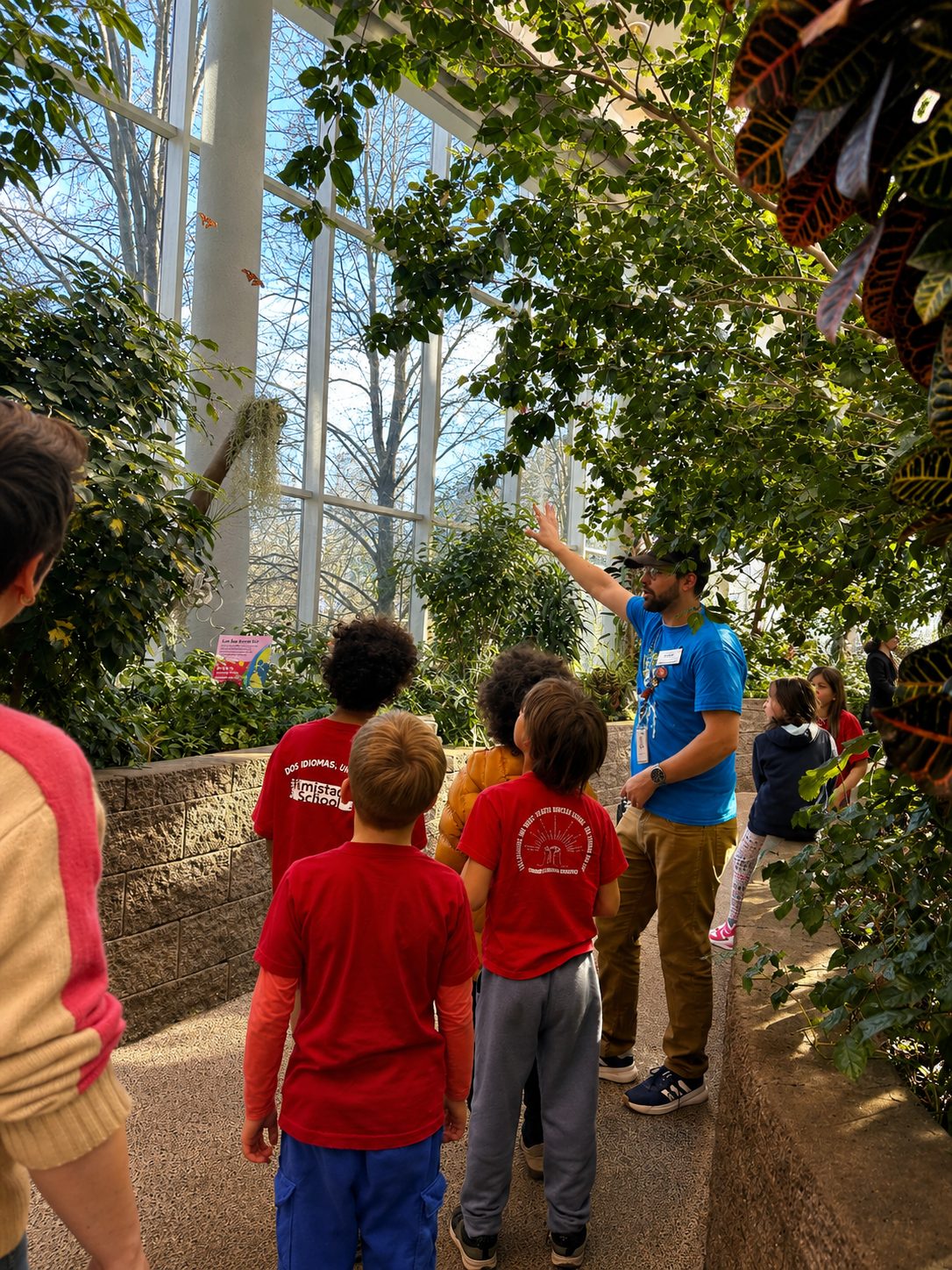
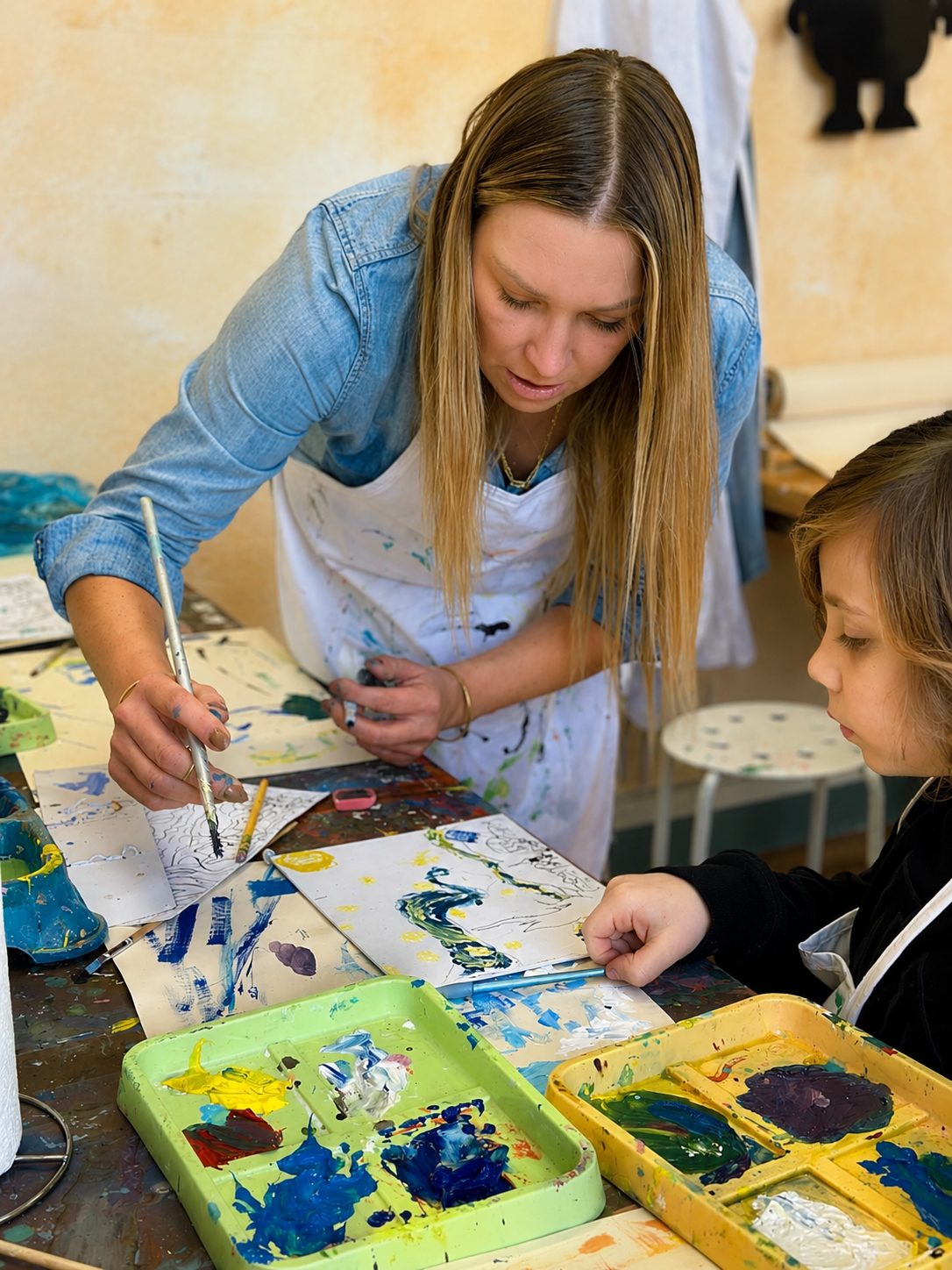
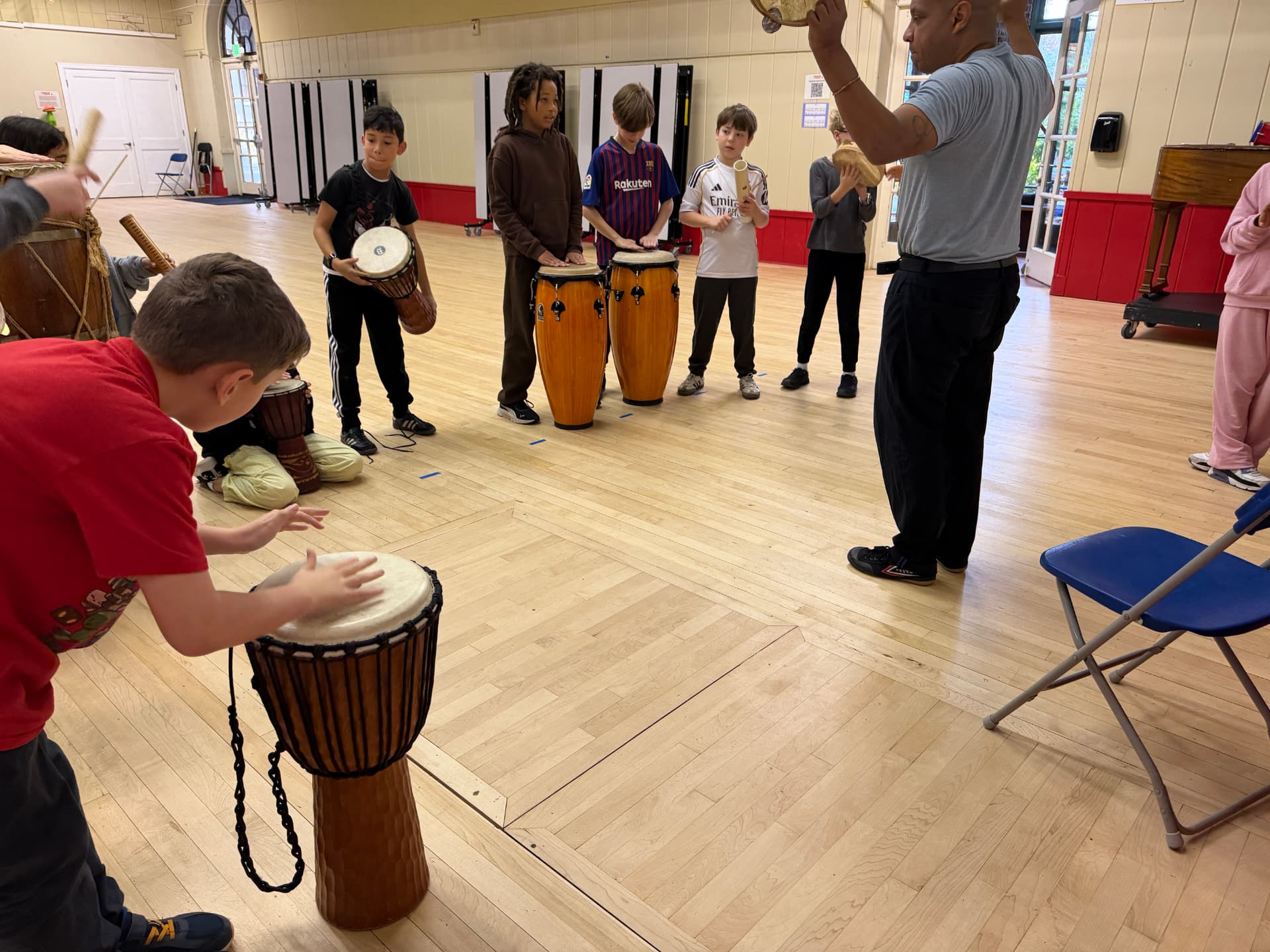
Bright Minds students take part in school-wide celebrations, family gatherings, field trips, and service learning that bring the curriculum to life and root children in the broader Amistad community.
Families are noticing: 1st grade enrollment has grown 71% and 2nd grade 89% over the past three years, as more Seattle families discover what a strong, joyful start in bilingual literacy looks like.
The Path
What families gain by staying in bilingual immersion through 8th grade →
Scroll to see moments from these classrooms.
Grades 1–3
The team your child sees every day at this stage.
Kindergarten Teacher
Lucia teaches kindergarten, where early reading in Spanish and English takes hold through stories and hands-on projects.
1st Grade Teacher
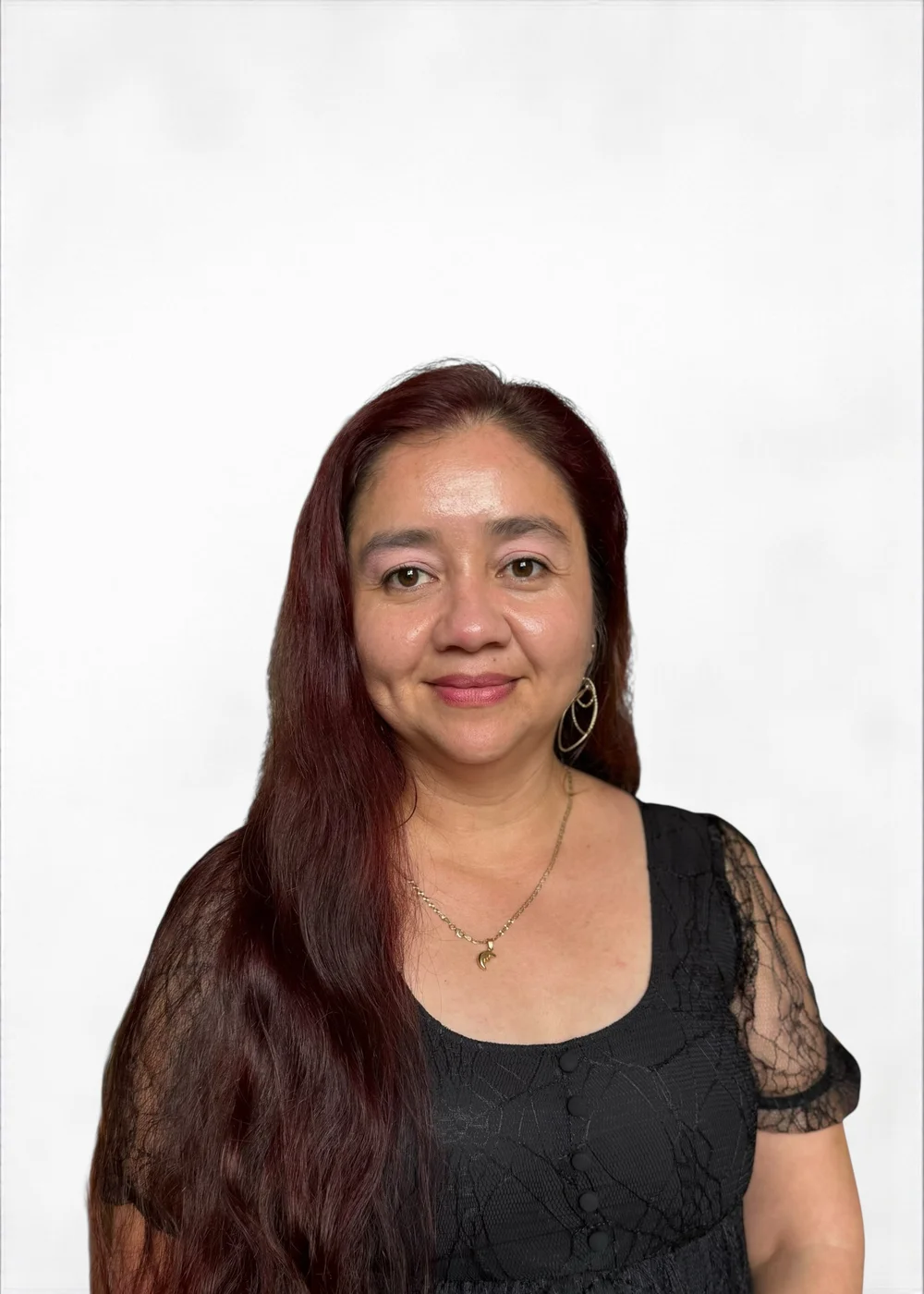
Thania builds strong readers and writers in 1st grade, balancing structure with plenty of room for curiosity.
2nd Grade Teacher
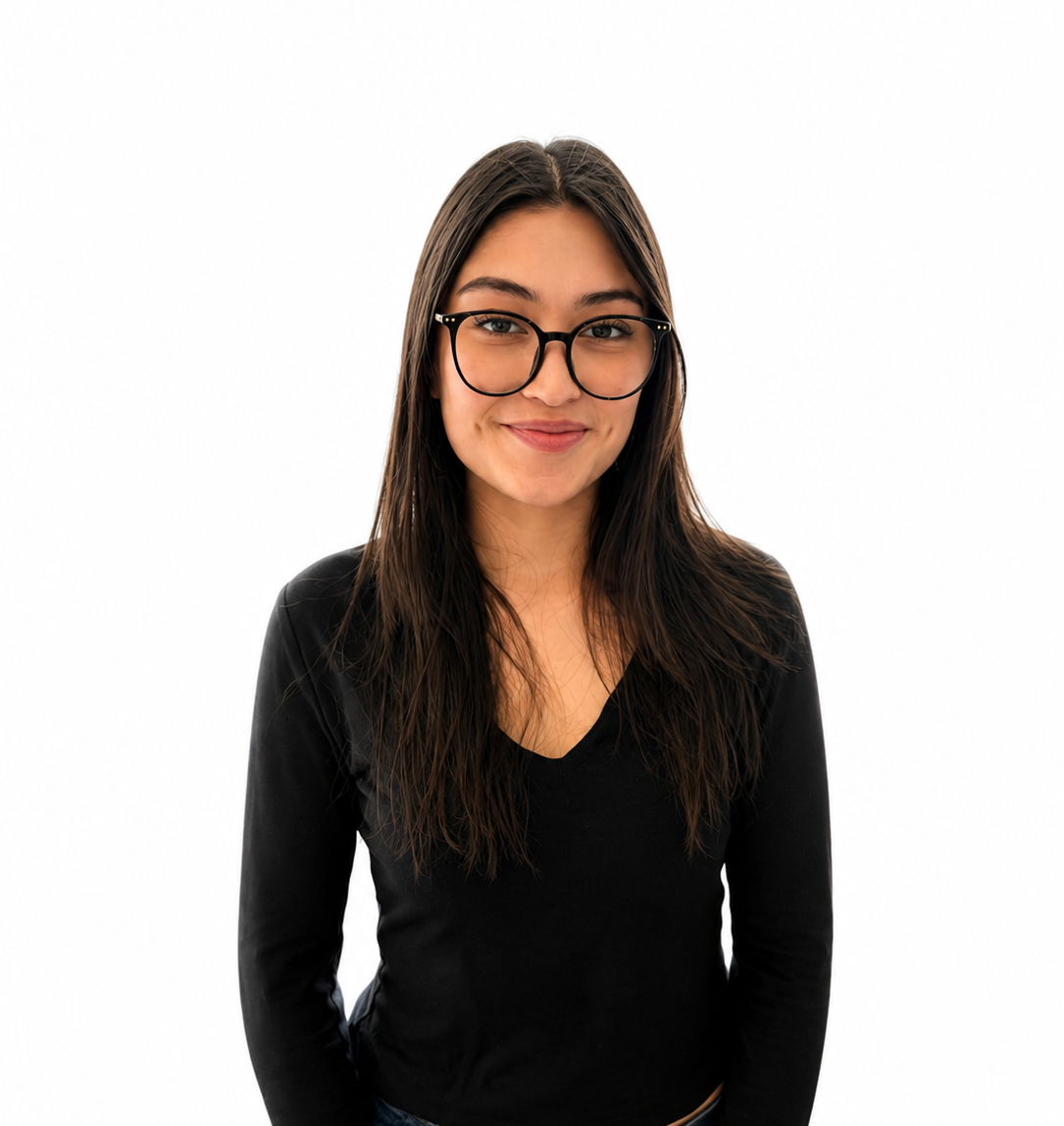
Erika completed her degree internship at Amistad and worked with our TICA students. A UW graduate and Seal of Biliteracy holder, she is now pursuing a master's in education policy.
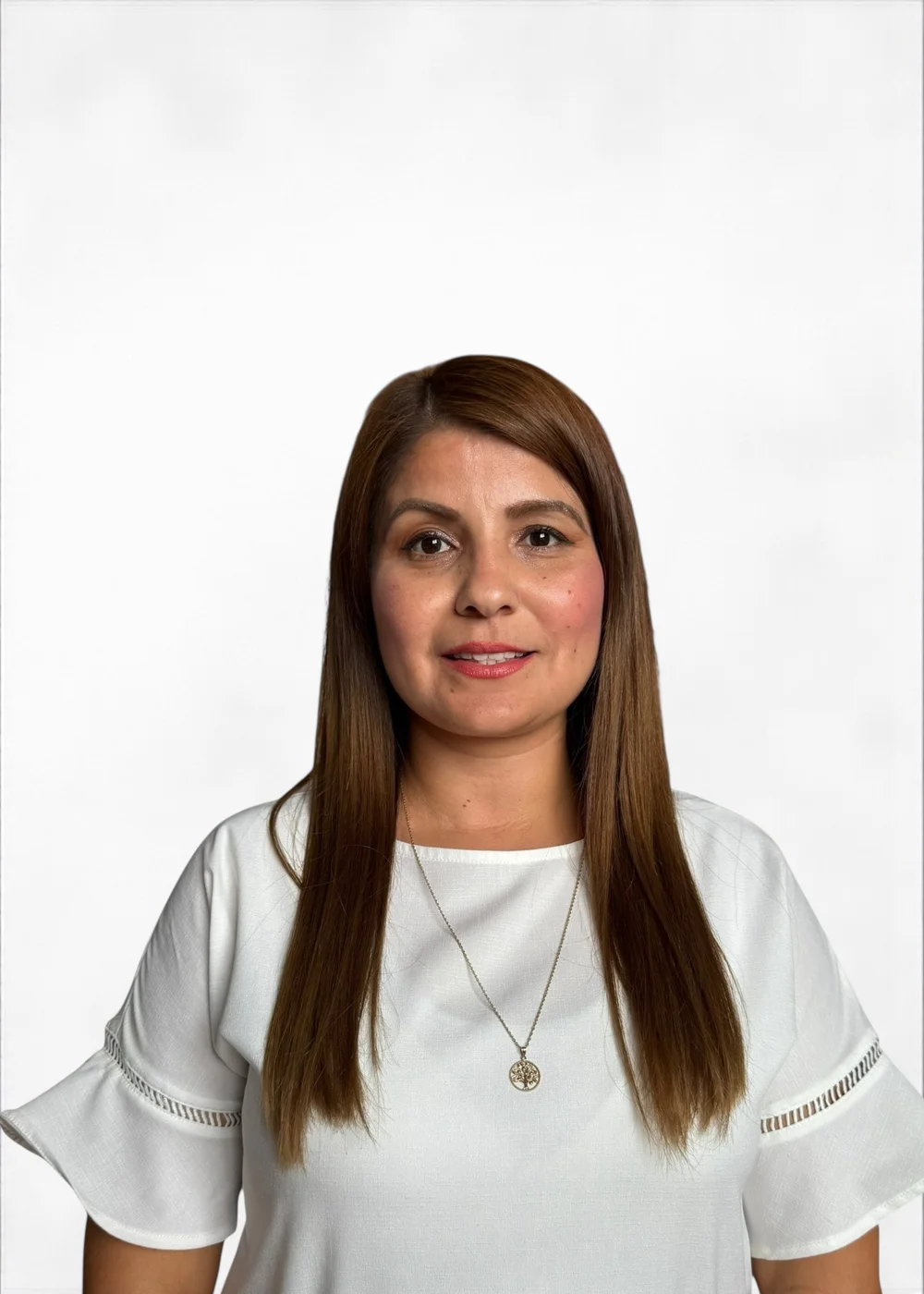
3rd Grade Teacher
Francisca leads 3rd grade, where students move from learning to read toward reading to learn — in two languages.
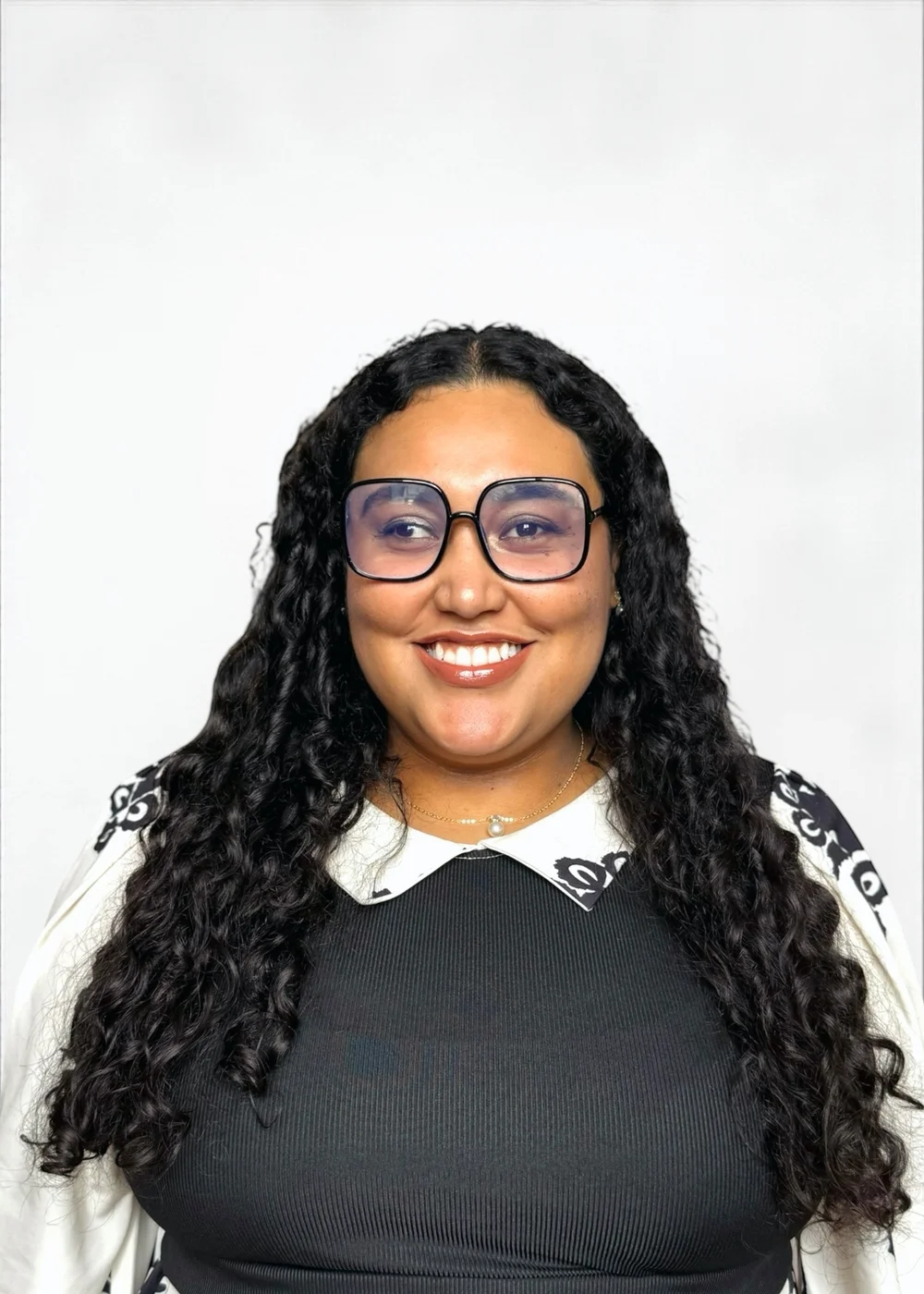
4th/5th Grade Teacher
Mabel teaches 4th and 5th grade, guiding older students through research, discussion, and academic Spanish.
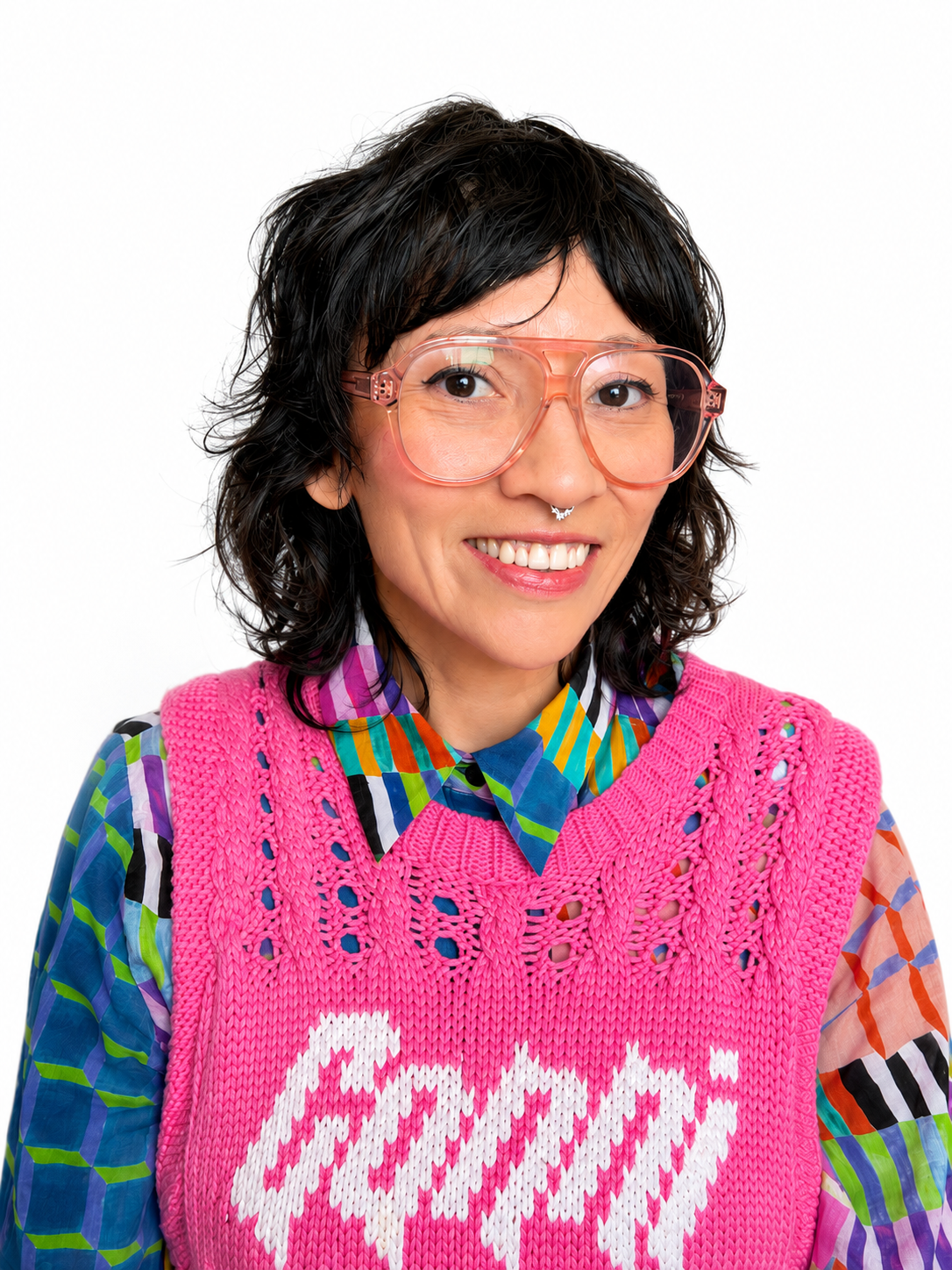
Middle School Teacher & Advisory Coordinator
Lorena has twenty years of teaching experience in two countries, with a Master of Arts in Writing. As Advisory Coordinator, she builds connection and belonging in the upper grades.
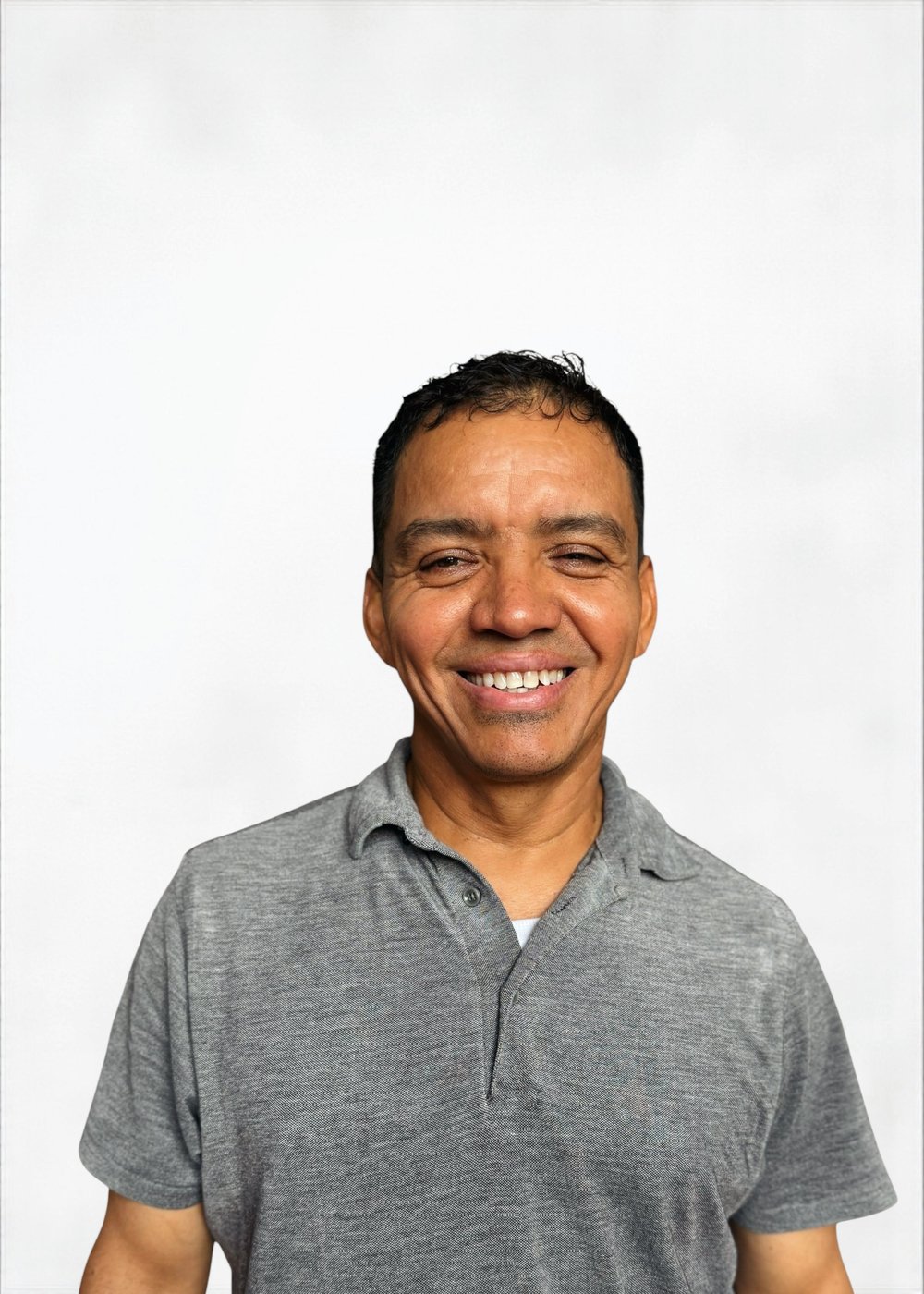
Math Teacher
Rafael teaches math across grade levels, emphasizing reasoning and problem-solving over memorization.
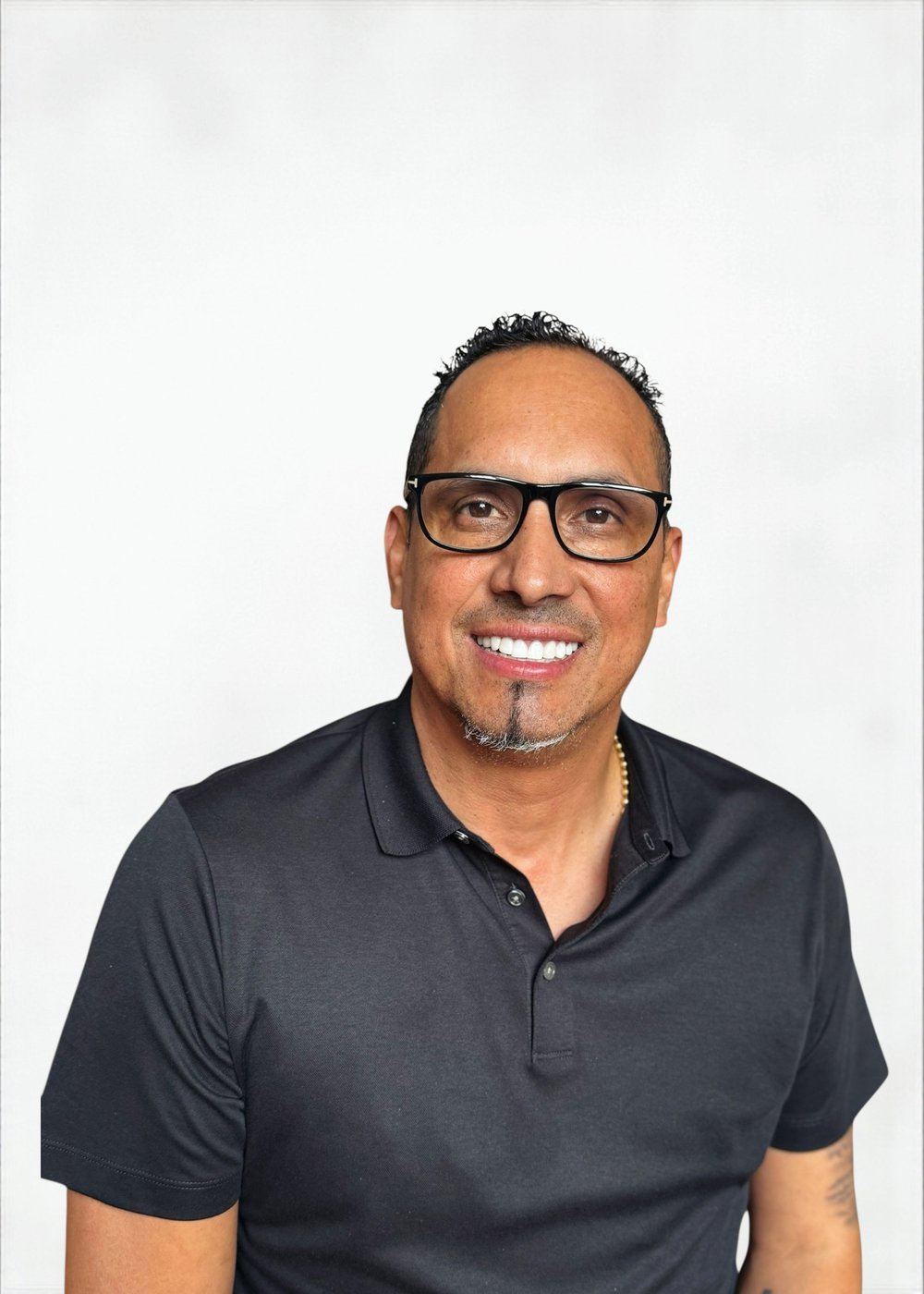
K–8th PE Teacher
Alfredo leads physical education from kindergarten through 8th grade, building teamwork, coordination, and joy in movement for every age.
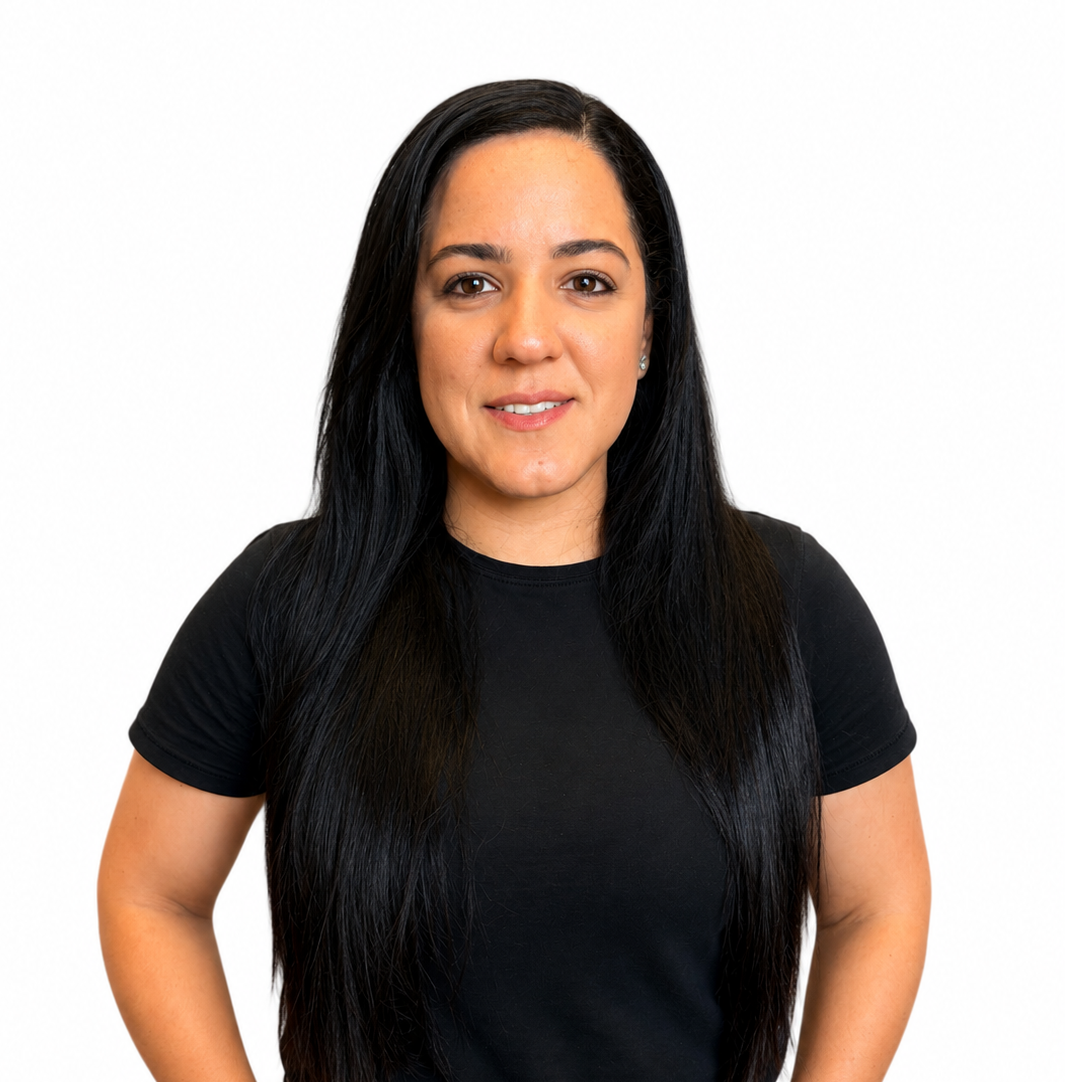
K–3rd English Teacher & TICA Lead
Elizabeth returns to Amistad with more than a decade teaching young learners in New York, Florida, and Seattle, and an M.A. in TESOL from Columbia. She also leads our TICA after-school program.
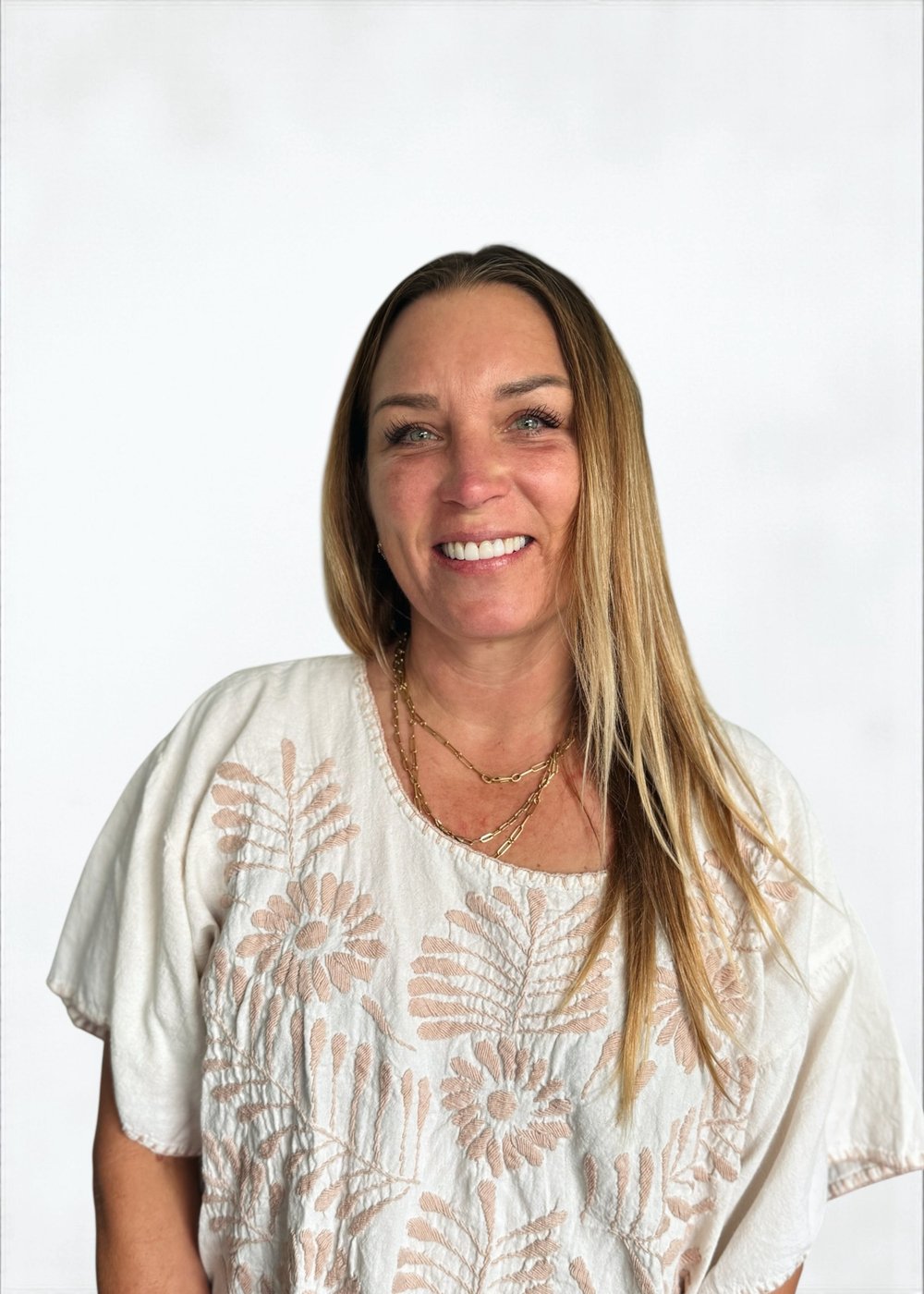
Art Teacher
Shelly runs the art studio, where students explore materials, culture, and self-expression across the year.

Capoeira Teacher
Silvio teaches capoeira, blending music, movement, and Afro-Brazilian tradition into our specials rotation.
The language model
Our dual language immersion program begins with 100% Spanish in the Early Learning Program, giving our youngest learners a strong foundation in the language. Starting in Kindergarten, we introduce English and gradually increase it each year, reaching a balanced 50/50 model by 4th grade.
Bright Minds
Spanish is phonetically transparent, so early decoding comes faster and builds confidence. Those reading skills — phonemic awareness, fluency, comprehension strategy — transfer directly to English once it is layered in.
The formal handoff into English reading typically begins in 2nd grade, when teachers see that Spanish decoding is secure. By 3rd grade students are reading and writing independently in both languages.
Mid-stage entry is possible and depends on space and language readiness. We assess each applicant individually and are honest with families about what support a later start requires.
Classrooms are small and self-contained, keeping cohorts together with teachers who know each child well — one reason our reading assessment coverage runs at 98.7%.
Connect with a Current Parent
We'll match you with a current Amistad parent whose child is in Grades 1–3 — no pressure, no sales pitch, just an honest conversation about what these years actually look like.
Visit Amistad