Academics · Grades 4–5

Bridge Years

Upper elementary is where biliteracy deepens. Students read and write independently in both languages, the classroom balance shifts to an even 50/50, and children begin to lead — the bridge between Bright Minds and middle school.

Deepening biliteracy

By 4th grade, students are reading and writing comfortably in Spanish and building real independence in English. Teachers push both languages further — longer texts, more complex writing, and academic vocabulary across math, science, and social studies.

Toward a 50/50 balance

Where the early grades lean heavily on Spanish, Bridge Years shifts to a balanced 50/50 model. Students move fluidly between languages depending on the subject and the day, a balance designed to strengthen both languages rather than let one dominate.

Independent writers, emerging leaders

Students in these grades write independently in both languages — journals, research projects, persuasive essays — and take on leadership roles across the school, mentoring younger classmates and helping lead school-wide traditions.

Preparing for middle school

Grade 5 is the bridge into middle school. Students leave ready for the increased independence, elective choices, and biliteracy expectations of grades 6 through 8.
The Path

Why the full path changes everything

See what's ahead for students who continue through 8th grade →

Explore this section

Bridge Years in action

Scroll to see moments from these classrooms.

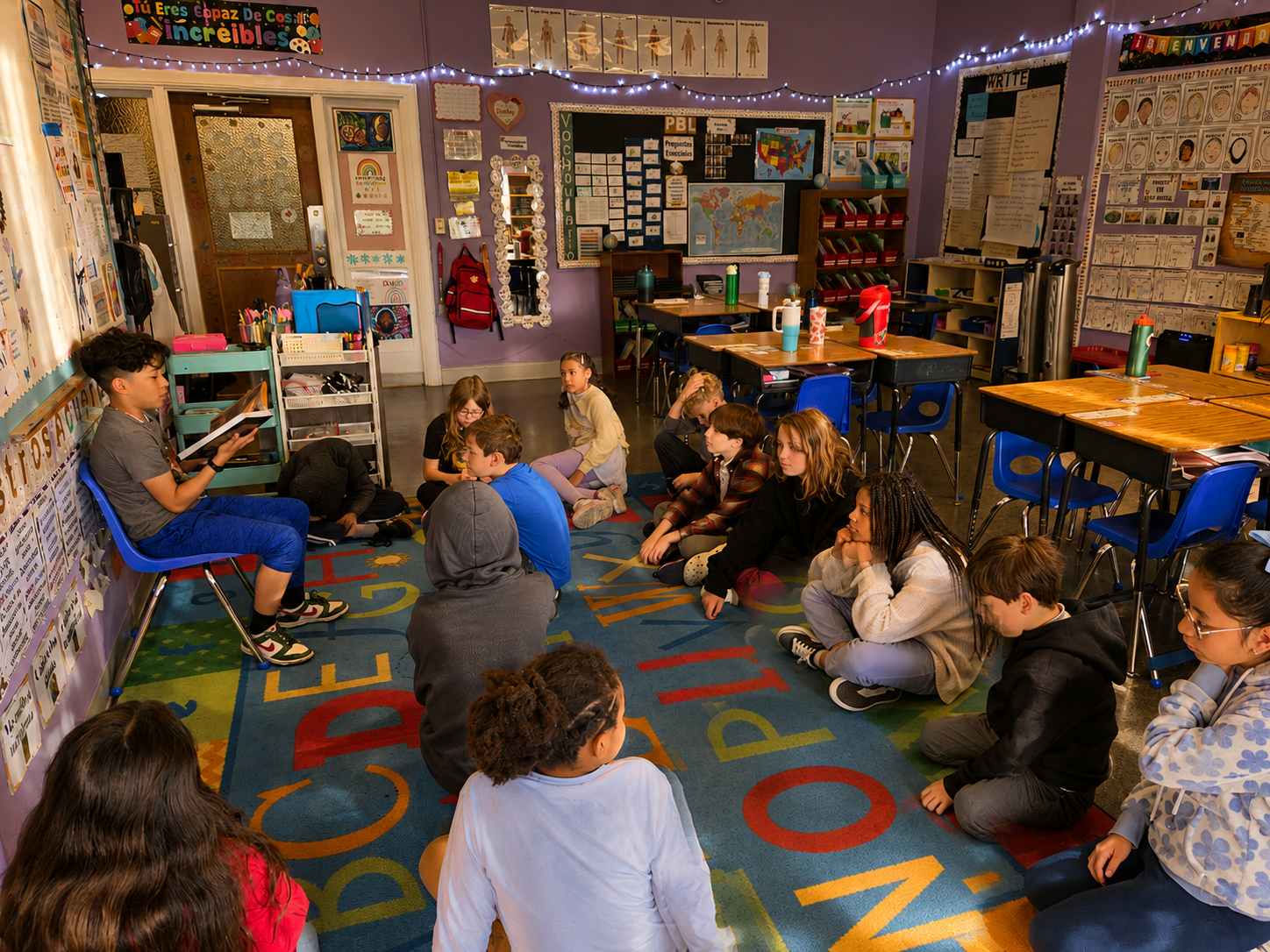
Bridge Years students in a student-led classroom discussion
Student-led discussion
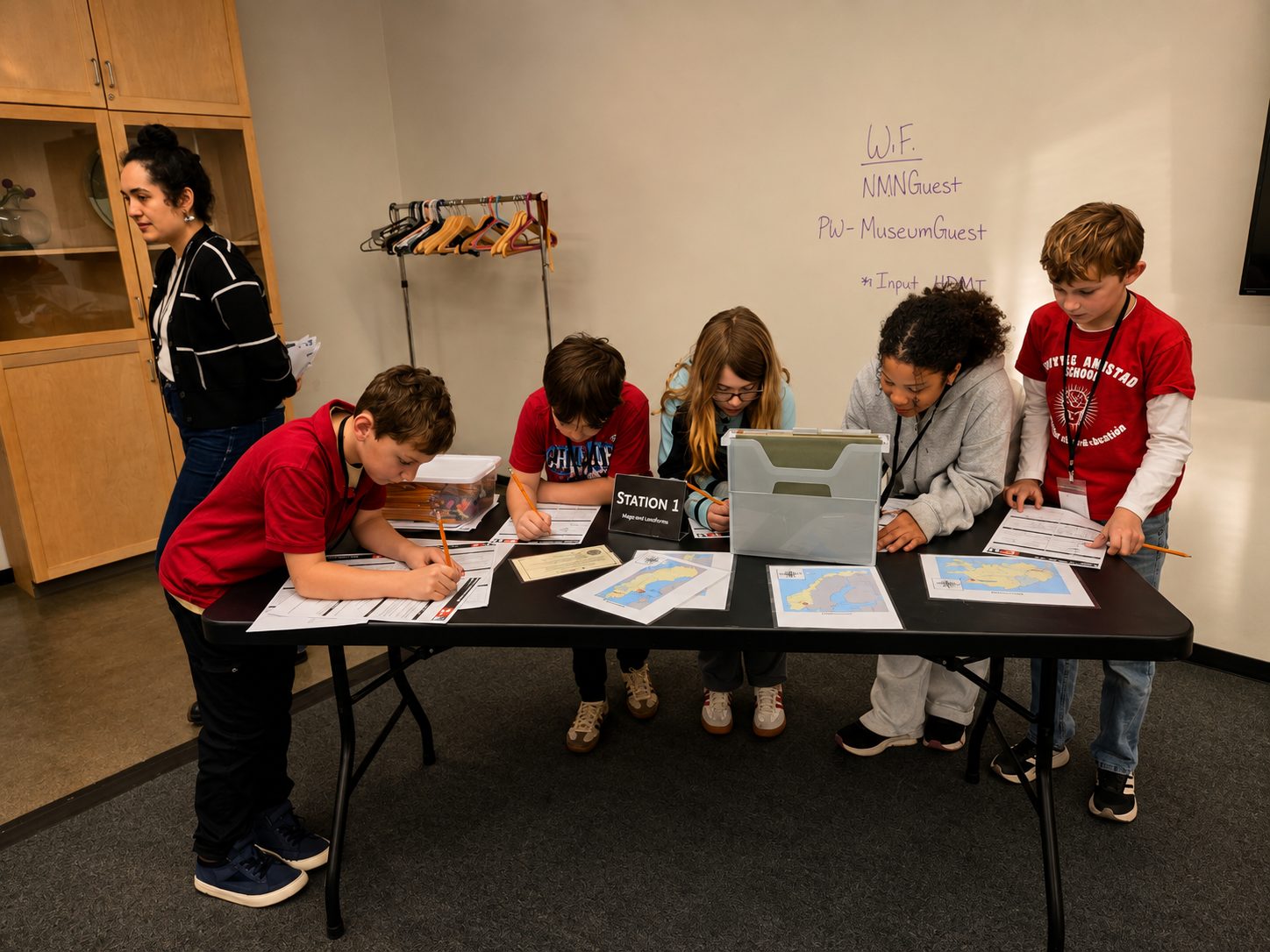
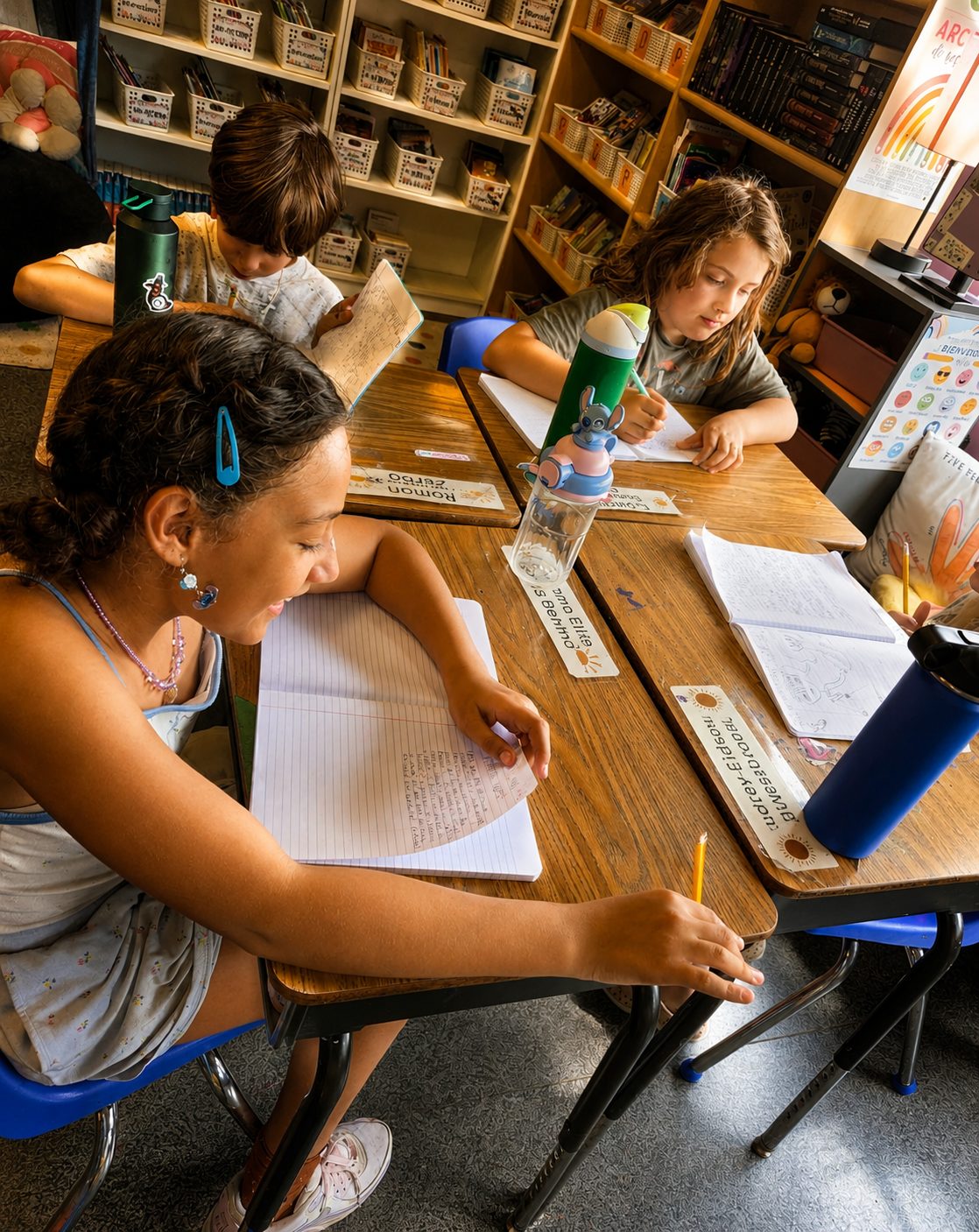
A student reading and writing during workshop time
Writing workshop
Students collaborating on a hands-on project
Lab and project work
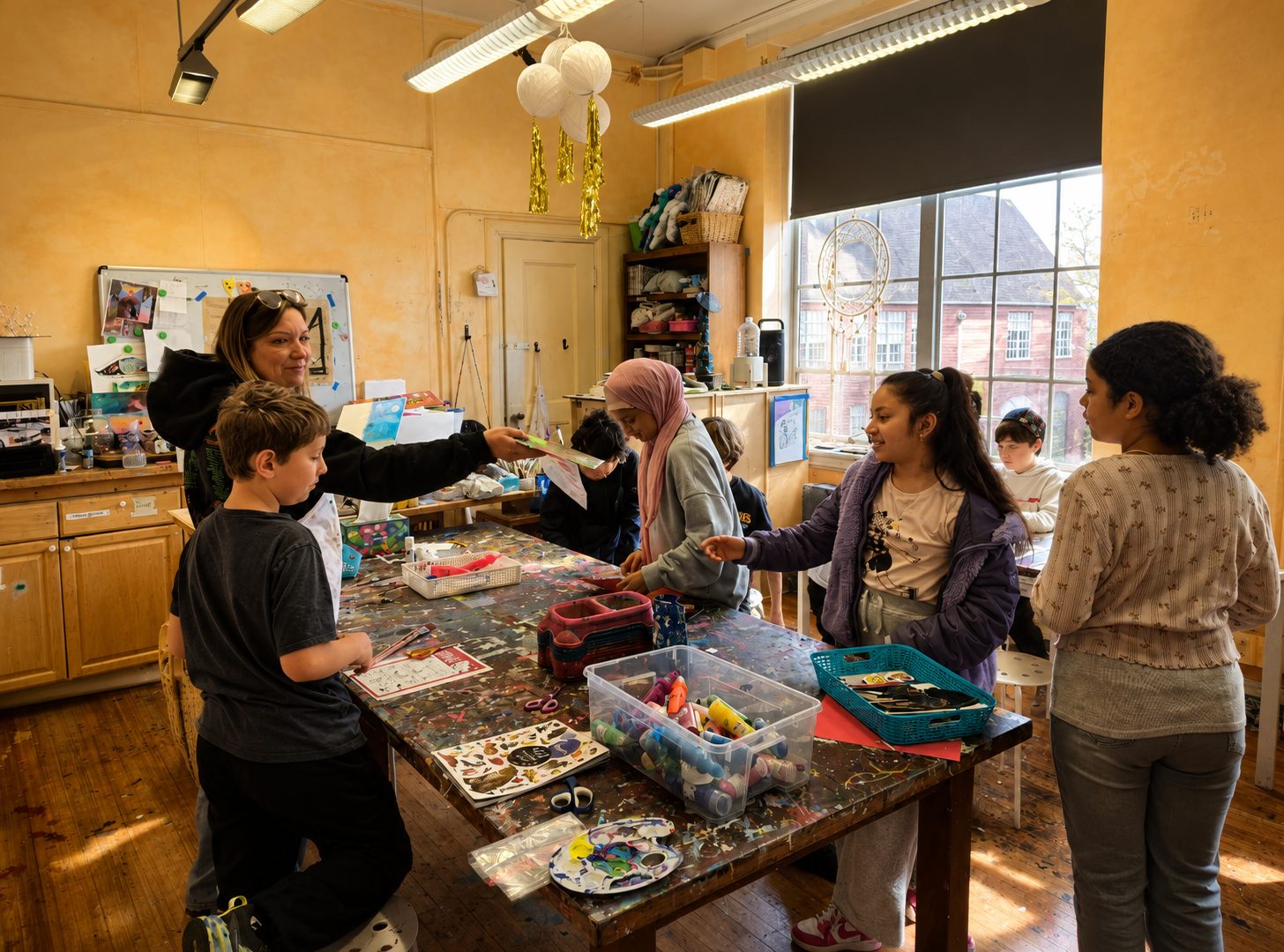
Students making art together at a shared table
Creative arts
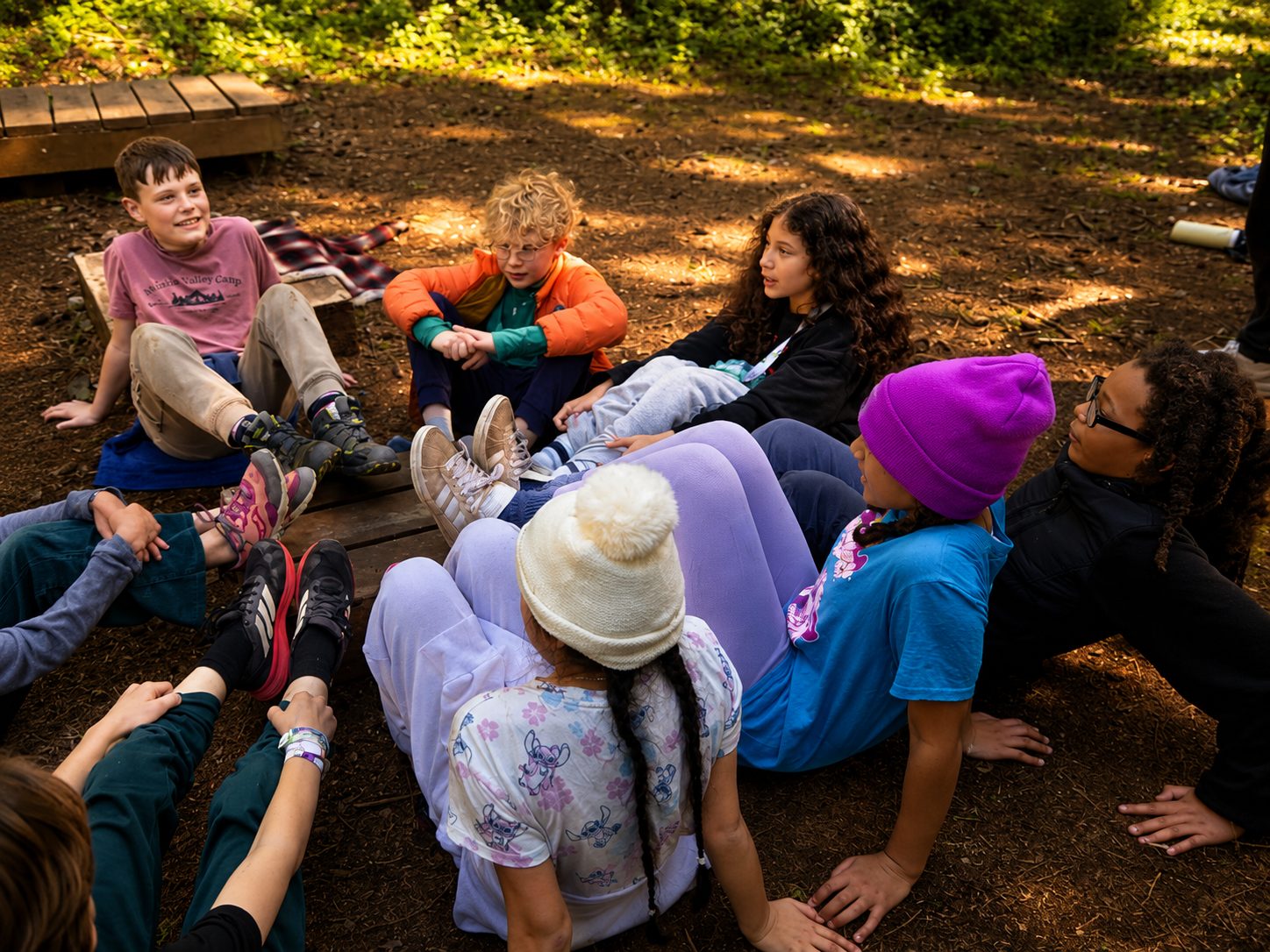
Students playing an outdoor team game
Teamwork on the field

Grades 4–5

Meet the teachers

The team your child sees every day at this stage.

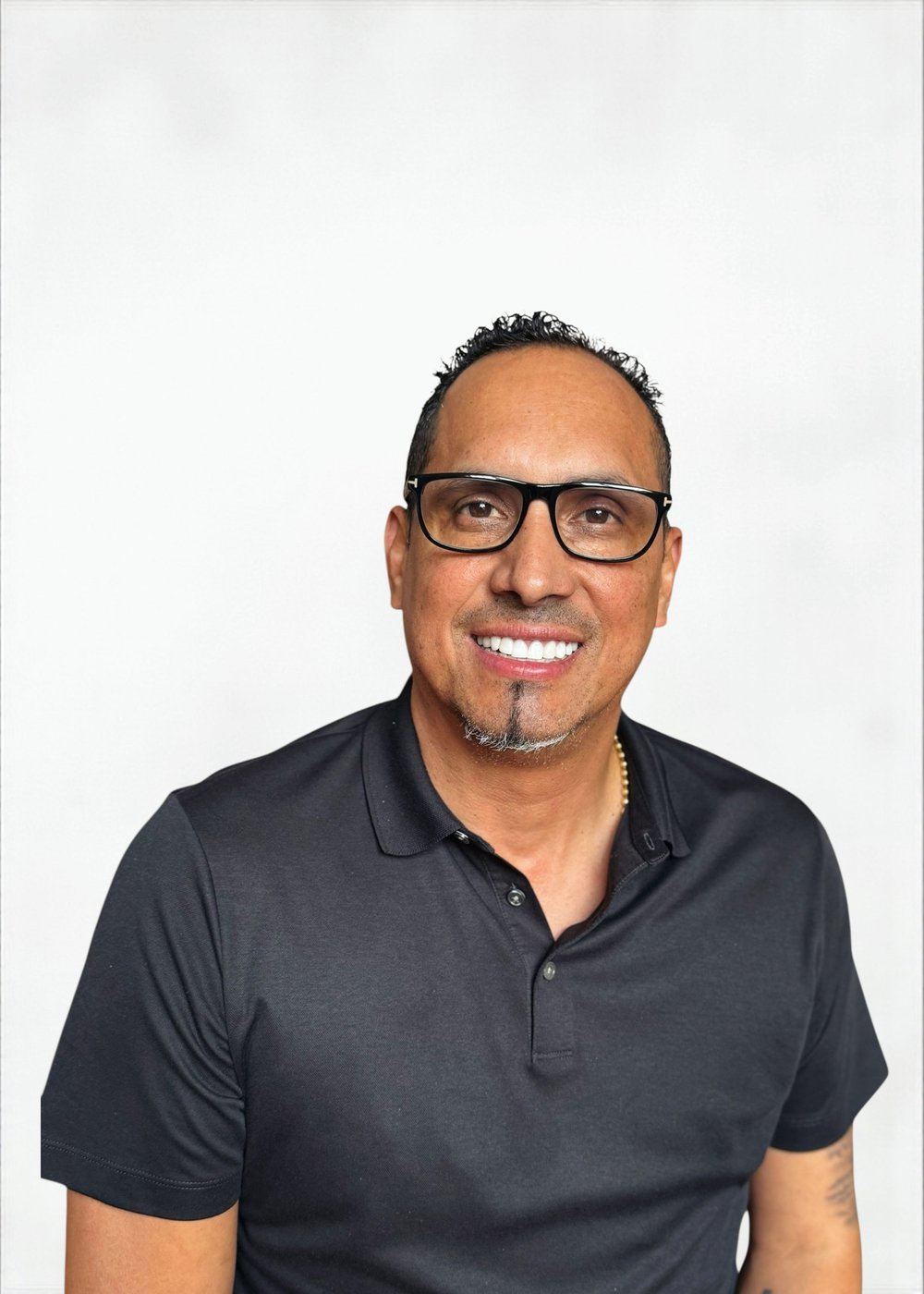
Portrait of Lorena Mercado

Lorena Mercado

Middle School Teacher & Advisory Coordinator

Read bio+

Lorena has more than twenty years of teaching experience across three countries, with a Master of Arts in Writing. As Advisory Coordinator, she builds connection and belonging in the upper grades.

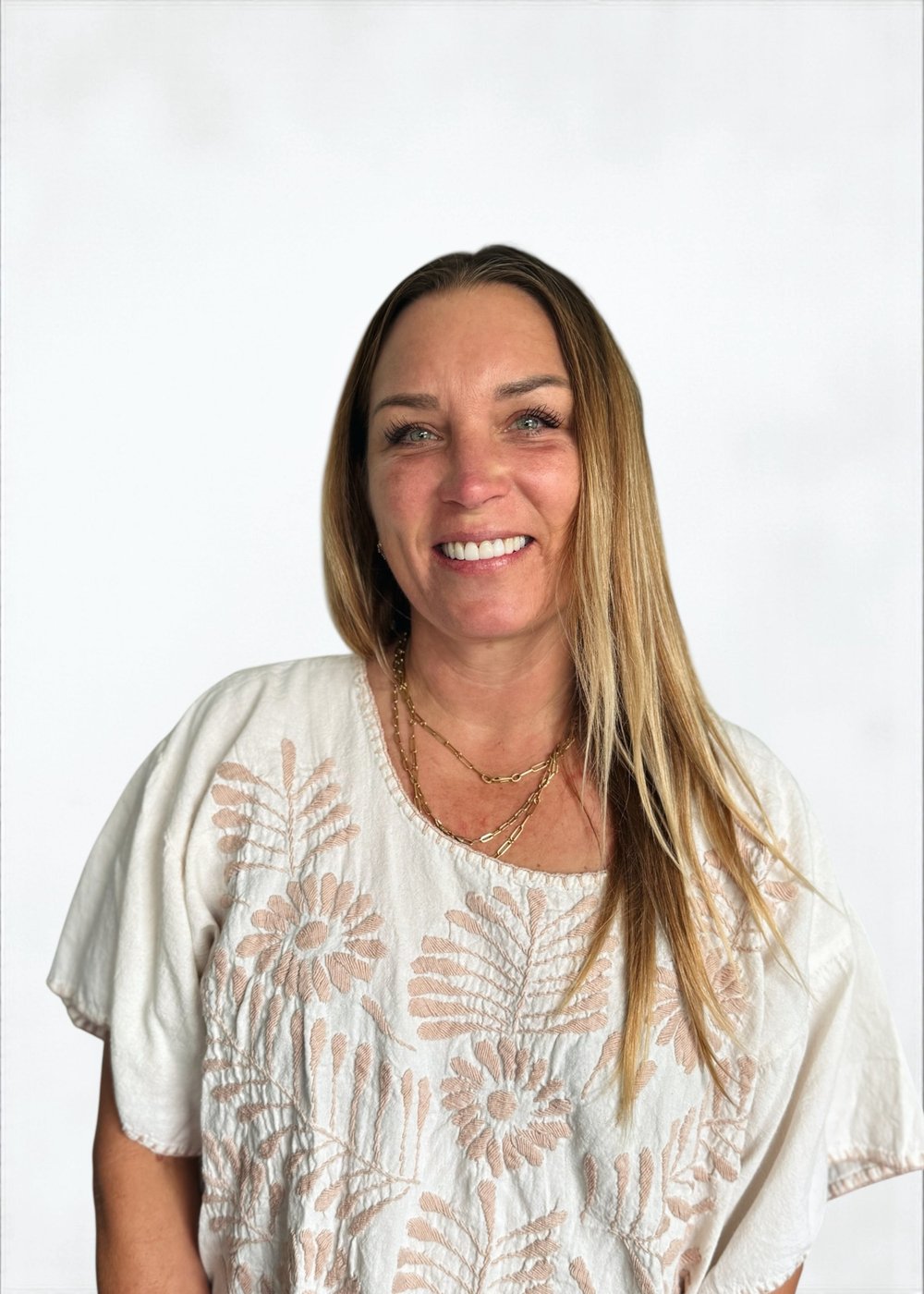
Portrait of Rafael Rodriguez

Rafael Rodriguez

Math Teacher

Read bio+

Rafael teaches math across grade levels, emphasizing reasoning and problem-solving over memorization.

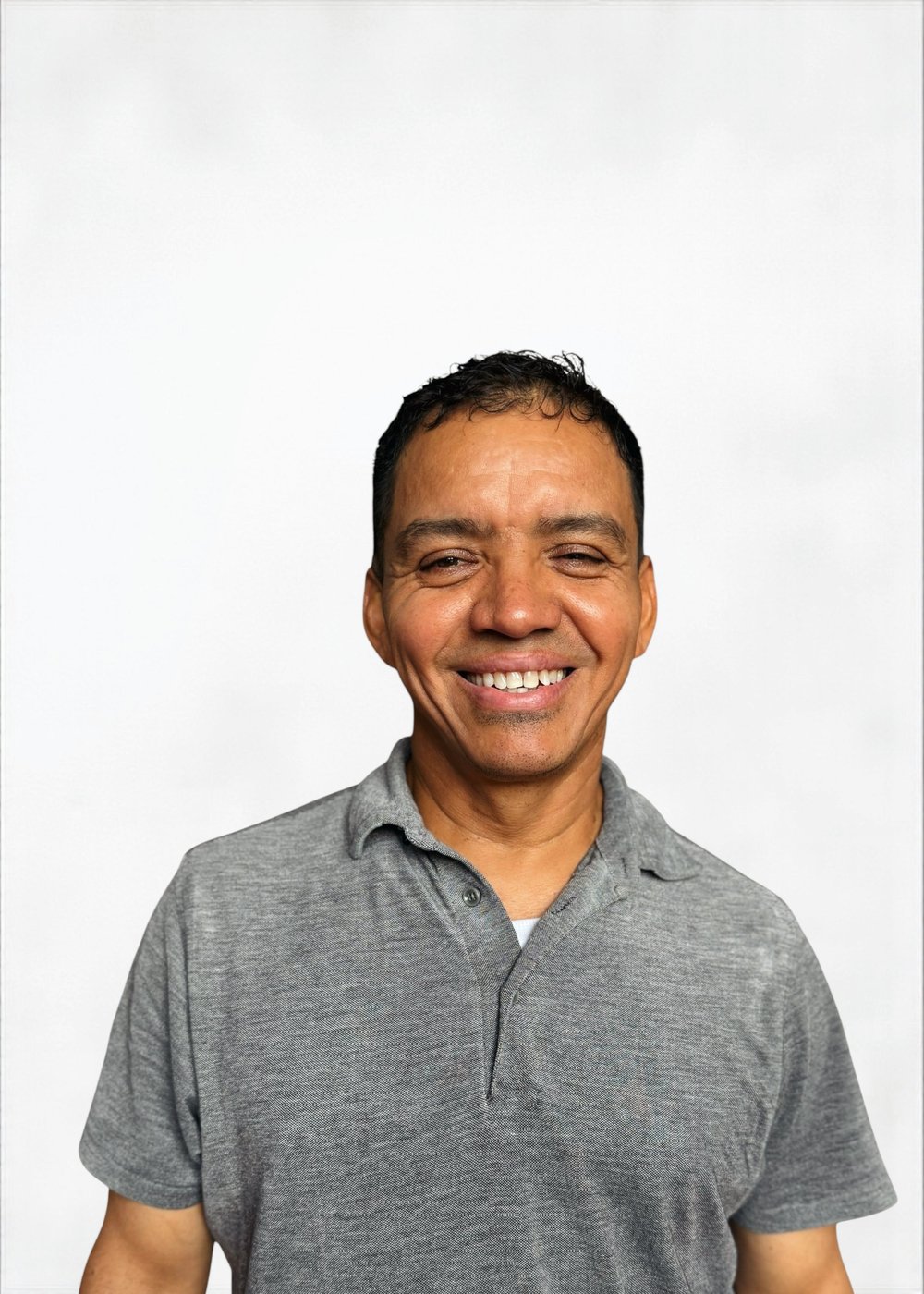
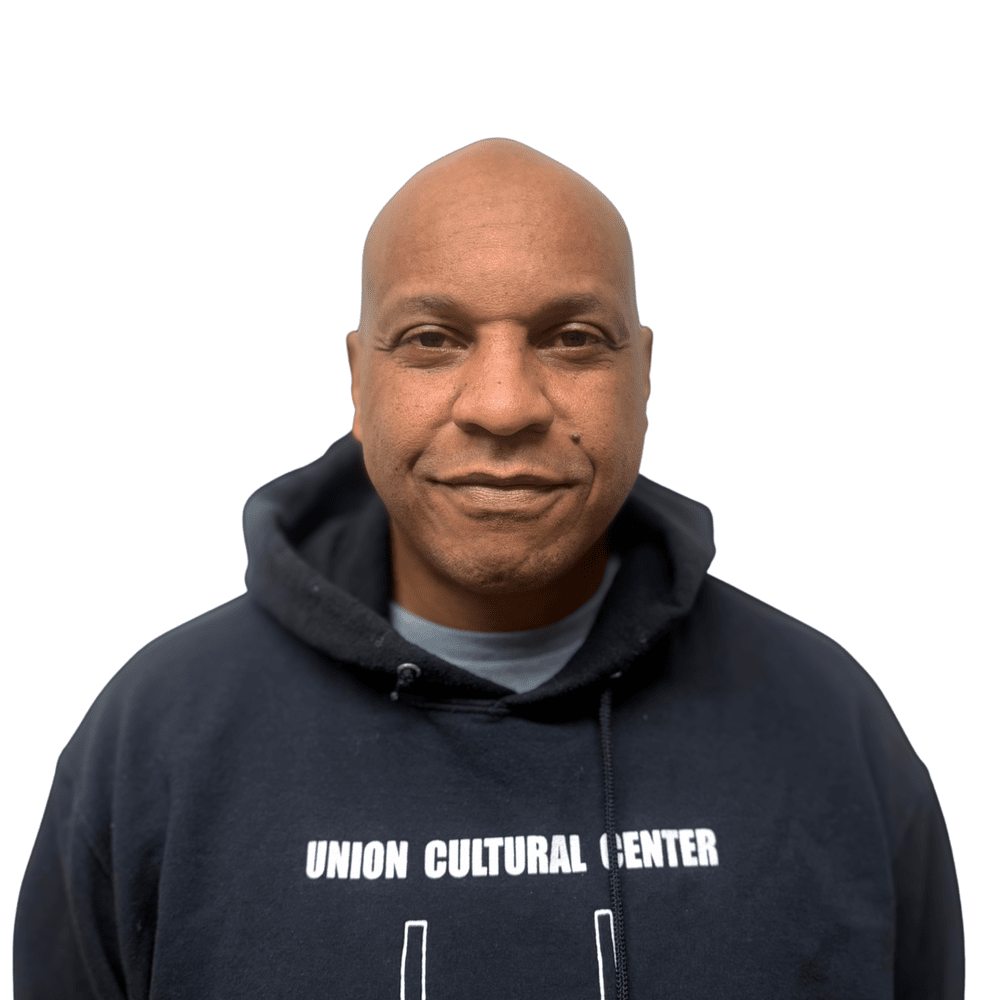
Portrait of Alfredo De La Hoz

Alfredo De La Hoz

K–8th PE Teacher

Read bio+

Alfredo leads physical education from kindergarten through 8th grade, building teamwork, coordination, and joy in movement for every age.

Portrait of Shelly Sibert

Shelly Sibert

Art Teacher

Read bio+

Shelly runs the art studio, where students explore materials, culture, and self-expression across the year.

Portrait of Silvio Dos Reis

Silvio Dos Reis

Capoeira Teacher

Read bio+

Silvio teaches capoeira, blending music, movement, and Afro-Brazilian tradition into our specials rotation.

The language model

From 90/10 to 50/50

Spanish carries the day when children acquire language most naturally, then English grows year by year until the day is evenly balanced — one continuous model from 12 months through 8th grade.

  1. 12 months – Pre-KLittle Learners90/10 Spanish / English
  2. KindergartenFoundations90/10 Spanish / English
  3. Grades 1–3Bright Minds80/20 Spanish / English
  4. Grades 4–5Bridge Years50/50 Spanish / English
  5. Grades 6–8Middle School50/50 Spanish / English

Bridge Years · 50/50 The balance arrives: an even 50/50 day, with students moving between languages by subject.

Bridge Years

Parents FAQ

What changes in 4th and 5th grade?+

The language balance shifts to an even 50/50. Students move between Spanish and English by subject, write independently in both, and take on leadership roles across the school.

Will my child be ready for middle school?+

Yes. Grade 5 is designed as the bridge — students practice the independence, organization, and academic writing that grades 6 through 8 expect.

Is there homework in the Bridge Years?+

Our longer school day is intentional so evenings belong to families. Teachers may assign independent reading or brief, meaningful work, but never busywork.

How do you support students who need more in one language?+

Teachers track both languages separately and adjust support accordingly. Small cohorts make it possible to strengthen a student's weaker language without slowing the stronger one.

Connect with a Current Parent

Talk with a Bridge Years family

We'll match you with a current Amistad parent whose child is in Grades 4–5 — no pressure, no sales pitch, just an honest conversation about what these years actually look like.

Request a parent connection

Continue along The Path

Visit Amistad

The best way to know us is to walk our halls.