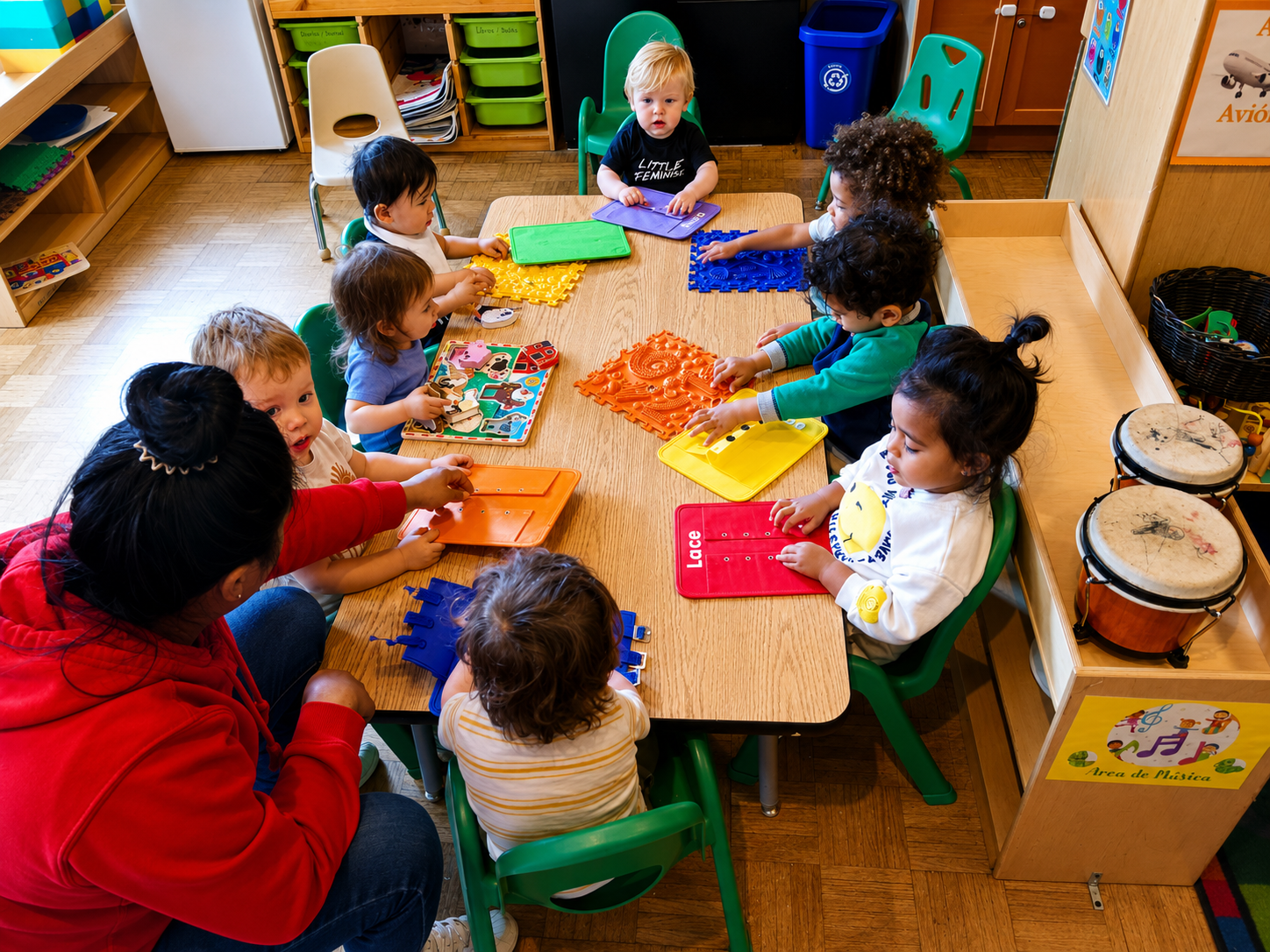
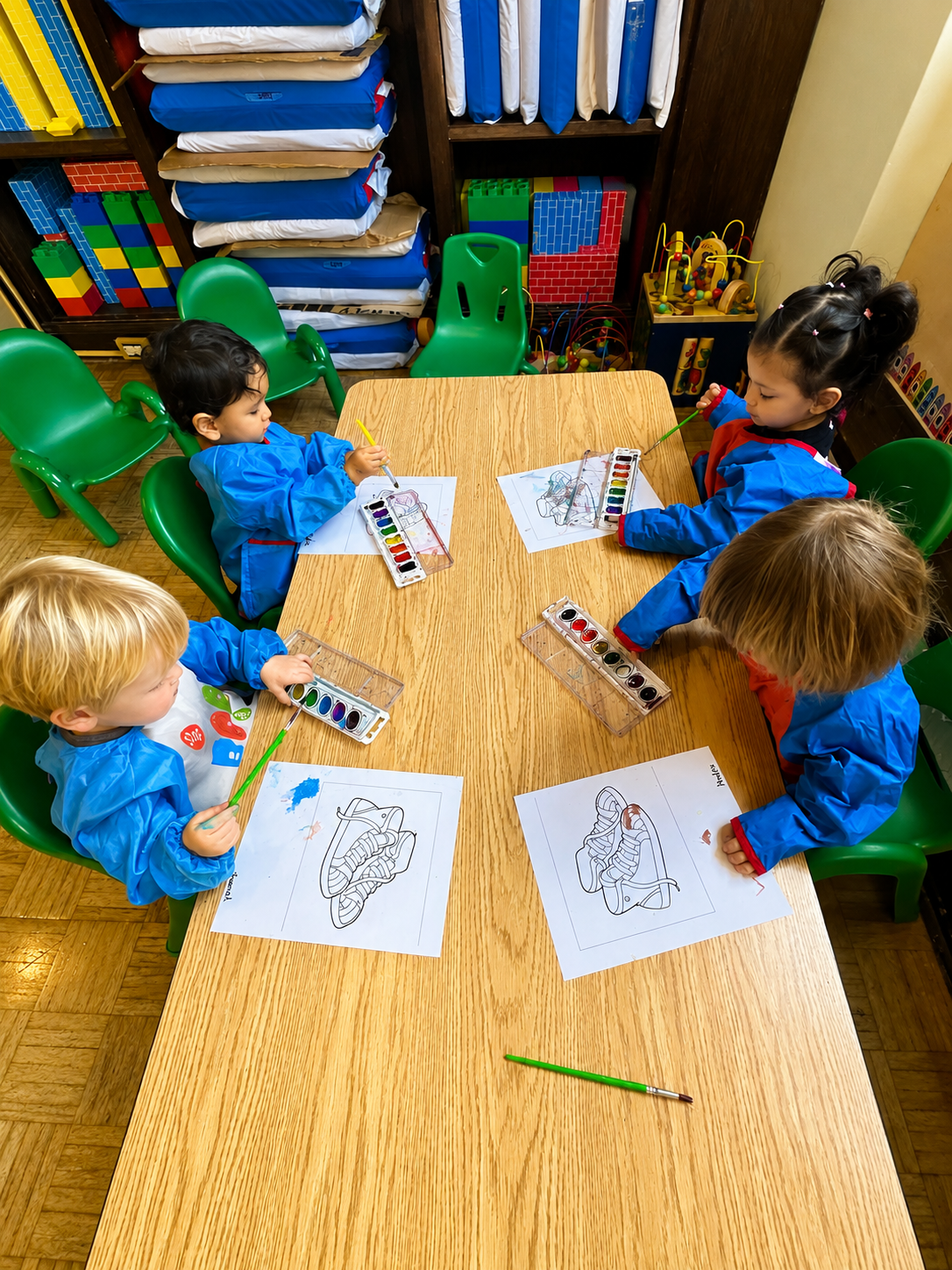
Students and a teacher in a bright bilingual classroom at Seattle Amistad School

The Path · Why Immersion

Why Spanish Immersion?

Seattle families have more language-immersion options than ever. Here is how immersion actually works, what the research shows, and what happens when a child walks the whole path — 12 months through 8th grade.

2 – 3 years

to conversational fluency

Children in full immersion typically reach conversational Spanish within two to three years of daily exposure — long before a traditional world-language class begins.

At or above

grade level in English

Immersion students match or outperform their monolingual peers on English reading and math assessments by upper elementary, once literacy skills transfer across languages.

100%

earn the Seal of Biliteracy

Every Amistad graduate leaves with the Washington State Seal of Biliteracy — a credential on the high school transcript that follows students into college and career.

In the classroom

What immersion looks like day to day

In a Spanish immersion classroom, children are not studying Spanish — they are living in it. A toddler names colors in Spanish, a kindergartener counts manipulatives in Spanish and negotiates turns at the block center in Spanish. Language becomes the water, not the lesson.

At Seattle Amistad, immersion begins at 12 months old in full Spanish. English is layered in gradually from Kindergarten through third grade until students reach a balanced 50/50 bilingual model, and by middle school they are writing analytical essays and giving presentations in both languages.

Two Amistad students wearing handmade animal masks they created in class

Two-way dual language, not one-way

A one-way program teaches Spanish to English speakers. A two-way program — the model Amistad uses — intentionally enrolls both native Spanish speakers and native English speakers in the same classroom. Each group becomes a language model for the other. Spanish is not treated as an academic subject to be acquired; it is a living community language spoken by classmates, teachers, and families.

The full path

Why walking the whole path matters

There is a moment — usually around 3rd or 4th grade — when some families start to wonder whether to stay. The novelty of immersion has settled into routine. It is a natural question, and here is what we know from the families who stayed.

Completing the bilingual journey from 12 months through 8th grade is not just about time. It is about what becomes possible at the end of it that was never possible in the middle: a biliterate, culturally grounded young person who is ready for whatever comes next — in two languages.

Amistad pre-K graduates in yellow caps and gowns

01

By 8th grade, your child is not just bilingual. They are biliterate.

There is a meaningful difference between speaking two languages and being able to read, write, think, and create in both. Academic biliteracy takes five to seven years to develop. It cannot be fast-tracked and it cannot be completed in a short immersion experience.

Amistad's middle schoolers are on track to earn the Washington State Seal of Biliteracy — a credential that appears on a student's official high school transcript and follows them into college applications, scholarship opportunities, and careers.

Families who leave early leave that credential behind. Families who stay earn something no tutoring program or language class can replicate.
02

You will know your child as a learner — in both languages — before you choose a high school.

Every child learns differently. In a bilingual environment, those differences show up in two languages at once. A student who struggles with Spanish reading in 2nd grade may find her voice as a Spanish writer by 5th. A student who is reserved in English-language discussions may be the most confident voice in the room when the language shifts.

By 8th grade, you and our team know your child fully. We know how they learn, where they lead, what challenges them, and what lights them up. That knowledge makes the high school search different. You are not guessing. You are matching.

03

100% of our 8th graders successfully transition to high school.

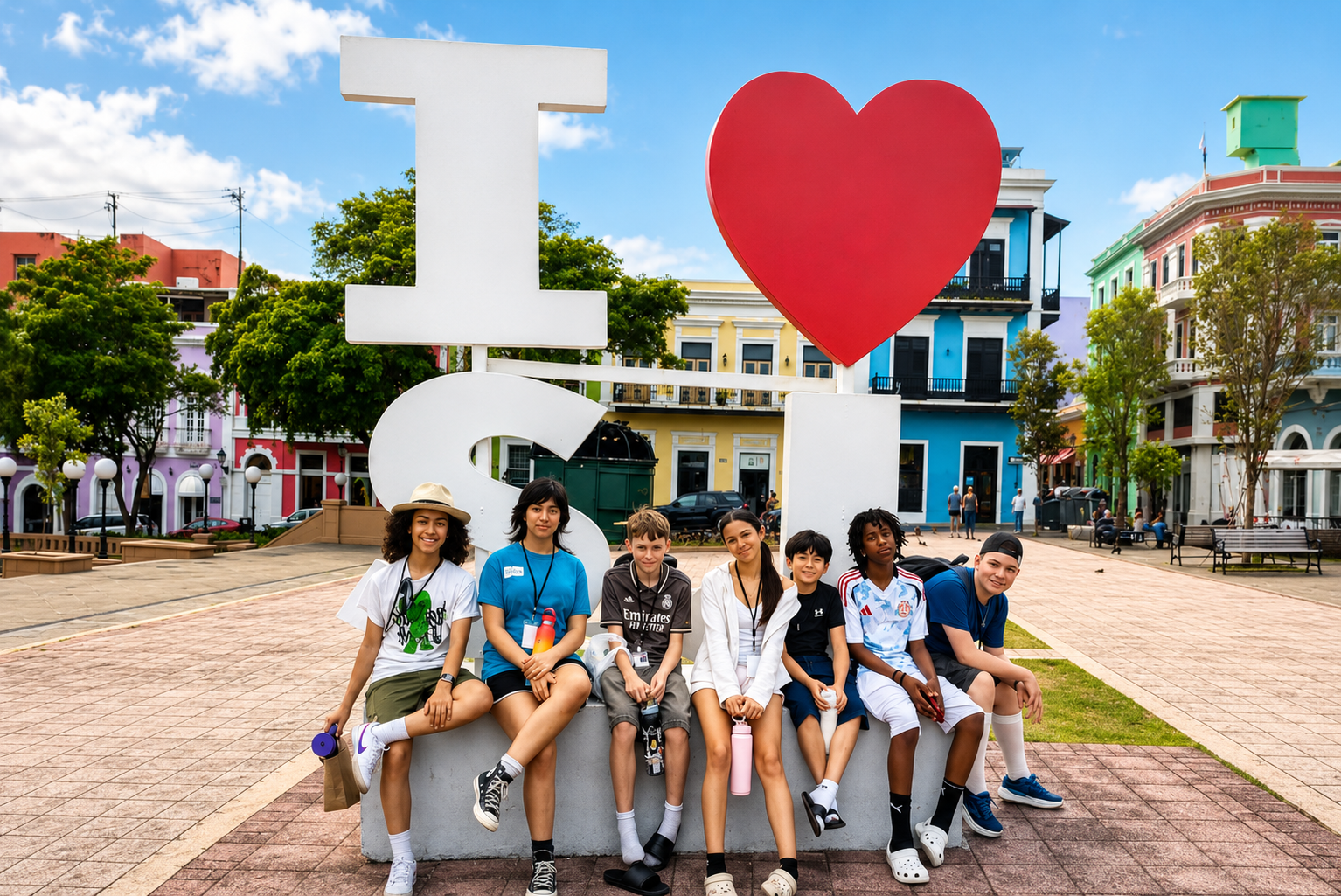
Our middle schoolers leave Amistad prepared in ways that high schools notice. They are biliterate. They have completed a community expedition to Puerto Rico. They have years of Capoeira, community service, and collaborative project experience behind them. They know how to advocate for themselves in two languages.

Recent Amistad graduates have enrolled in a range of high schools that match each family's values, location, and goals.

  • Seattle Public Schools neighborhood and option schools
  • Independent and private schools across the Seattle area
  • Catholic and faith-based high schools
  • Arts-, STEM-, and language-focused programs

Because the cohort is small, the list changes year to year. What stays consistent is that every graduate leaves with a placement — and with the skills to thrive once they arrive.

04

Your child becomes the one the younger students look up to.

In a school that goes from 12 months through 8th grade, the oldest students carry something real. They are not caught in the middle. They are the seniors. They are the role models in the hallway, the leaders in the community, the students the Little Learners watch and want to become.

In a bilingual school, that role carries an extra dimension. Being biliterate is something the 4-year-olds in the building are working toward. Our middle schoolers know that. It shapes how they carry themselves.

05

The early years make the later years possible. The later years justify the early ones.

Immersion research is consistent: the longer a student stays in a bilingual program, the greater the academic and cognitive benefits. Students who complete the full 12 months – 8th grade path consistently outperform peers in reading comprehension, problem-solving, and cognitive flexibility — in both languages.

But beyond the research, there is something simpler. The student who began in Orugas at 12 months, who learned to read in Spanish before English, who navigated the balance shift from 90% Spanish to 50/50 in the upper grades — that student has done something genuinely hard and genuinely rare. Finishing it matters.

06

The bilingual community your family joins is a long one.

Amistad families do not just enroll. They become part of something that extends beyond the school years. The parents who were volunteers in the Early Learning program become the families hosting middle school fundraisers. The children who were Orugas together become the 8th graders who mentor the next group of Orugas.

This is what a 12 months – 8th grade school produces that a shorter experience cannot: a community with roots.

"The families who stayed will tell you the same thing. What becomes possible at the end of the journey was worth everything it took to get there."
— Erica, parent of a 2nd and 3rd grader

Our community

Why Seattle families choose immersion

Seattle is a city of global families, international employers, and rich Latino cultural roots. Parents choose immersion because bilingualism opens doors — but they stay because of what it does for the child: cognitive flexibility, cultural empathy, and the confidence that comes from being understood in more than one world.

If you are comparing language immersion schools in Seattle, the questions worth asking are how much of the day is truly in the target language, when the program begins, whether it continues through middle school, and whether native speakers are part of the classroom community. At Amistad the answers are: most of it, at 12 months, yes through 8th grade, and yes by design.

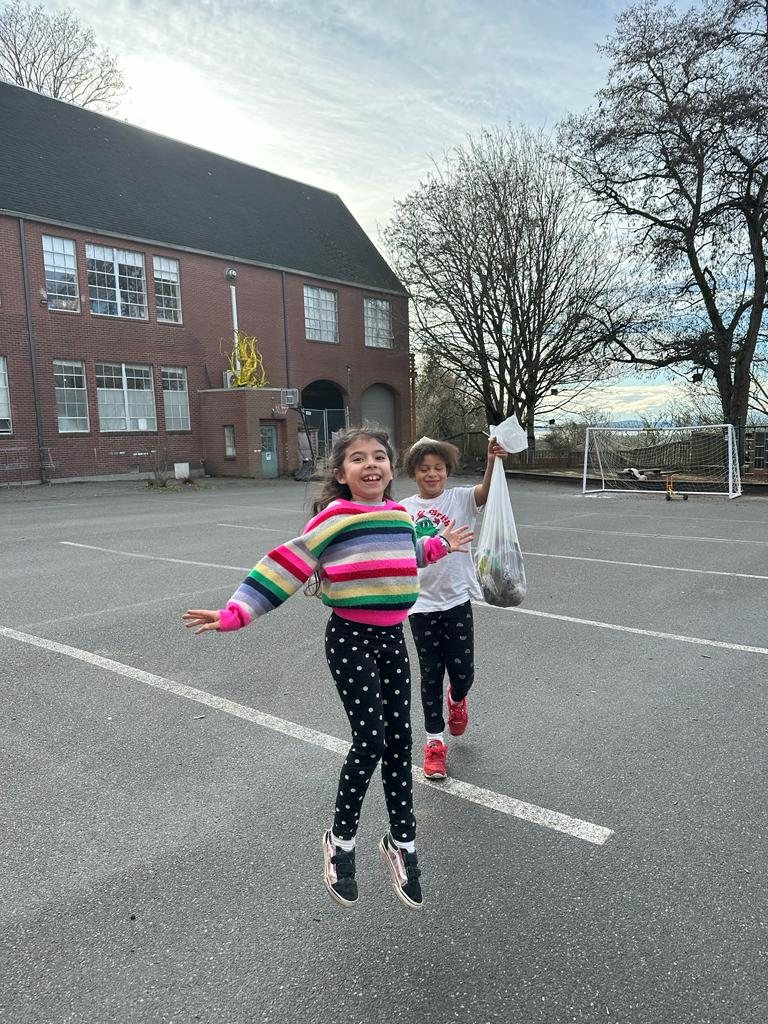
Two Amistad students laughing together at a school community celebration

Common questions about immersion

Explore our programs

Visit Amistad

The best way to know us is to walk our halls.